In a rare act of diplomatic defiance, Burkina Faso has rejected a proposal from the United States to accept deportees including some who are not even Burkinabè citizens. The West African nation’s Foreign Minister, Karamoko Jean-Marie Traoré, described the proposal as “indecent” and inconsistent with the country’s values.
The move comes amid heightened tension between Washington and Ouagadougou after the U.S. suspended most visa services for Burkinabè nationals, citing security and migration concerns. However, human rights groups and migration experts see the U.S. plan as an attempt to offload its migration crisis onto smaller, developing nations, a practice that raises serious moral and legal questions.
“We cannot sell our sovereignty or our dignity for aid or pressure,” Traoré reportedly told local journalists. “Burkina Faso is not for sale.”
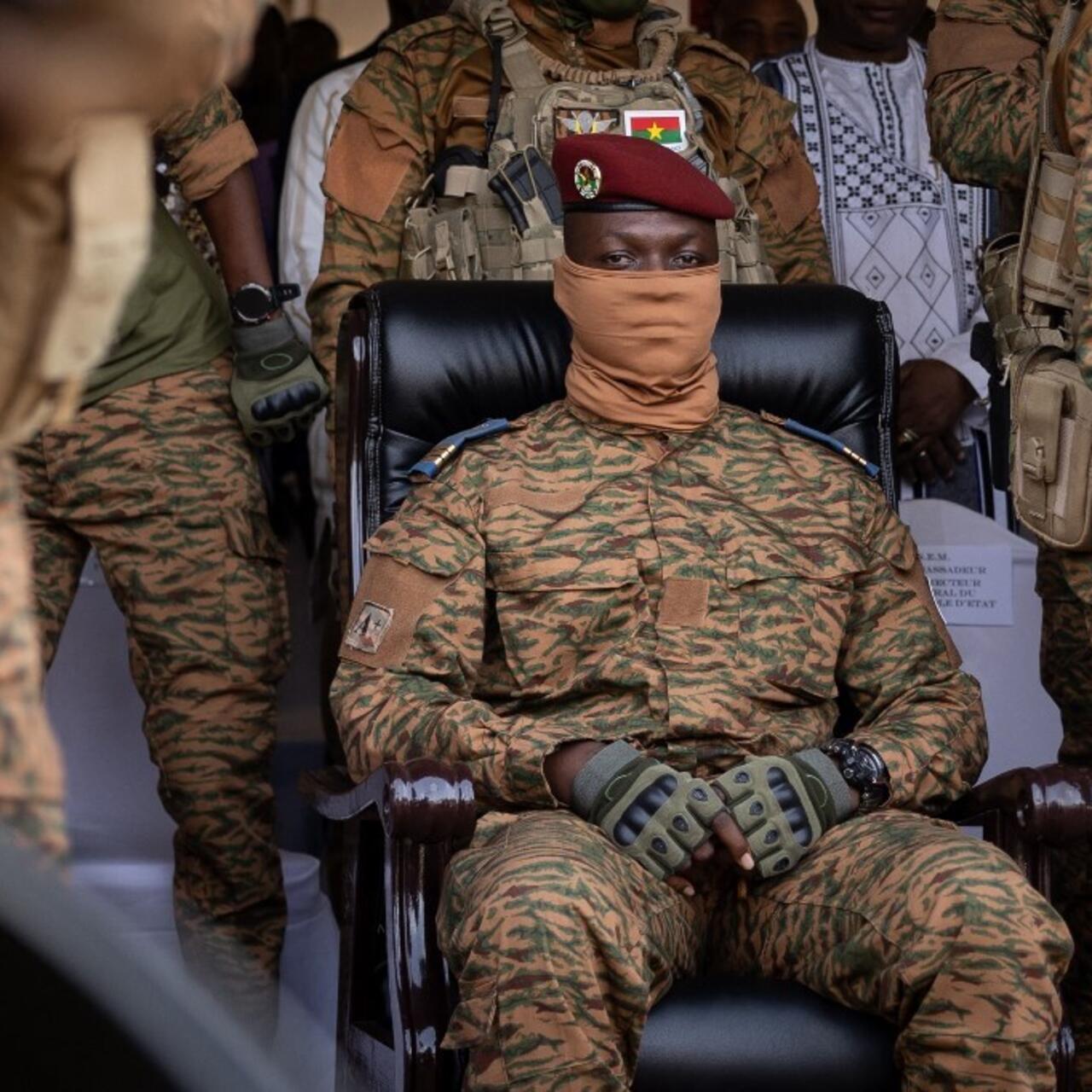
A Stand for Dignity and Sovereignty
Burkina Faso’s decision goes beyond migration policy, it’s a statement of national pride and independence. It reflects a growing trend among African nations asserting their right to make decisions without external coercion. Across the continent, governments are pushing back against agreements that undermine human rights or national integrity under the guise of partnership.
This latest standoff highlights a larger debate about migration diplomacy, the growing use of visas, deportations, and aid as political tools in global power relations. Critics argue that such policies place undue pressure on poorer nations while eroding trust in international cooperation.
U.S. Influence at a Crossroads
By rejecting the U.S. proposal, Burkina Faso joins a small but significant group of African nations redefining their diplomatic relationships with Washington. The U.S., which has been trying to rebuild ties after years of fluctuating engagement, now faces the challenge of maintaining influence without appearing coercive.
Observers warn that this diplomatic fallout could push Burkina Faso further toward non-Western alliances, deepening cooperation with regional blocs like ECOWAS or partners such as Russia and China, who often promise “mutual respect” in their rhetoric.

A Message Beyond Borders
The story of Burkina Faso’s rejection is not just about one country it’s about Africa’s changing voice in global diplomacy. It’s about leaders choosing principle over pressure, dignity over deals.
In a world where migration is weaponized and borders define worth, Burkina Faso’s message is clear: sovereignty is not up for negotiation.