Abuja, September 2, 2025 - Nigeria and Colombia have entered a new phase of bilateral relations after formalizing a Memorandum of Understanding (MoU) at the Presidential Villa in Abuja. The agreement, witnessed by Vice President Kashim Shettima, aims to strengthen political consultations and ease visa approvals for diplomats, while laying the groundwork for cooperation in trade, agriculture, culture, and private-sector partnerships.
“This agreement has the potential to be transformative,” Vice President Shettima noted, emphasizing the opportunities it presents for two fast-rising economies on opposite sides of the Atlantic.
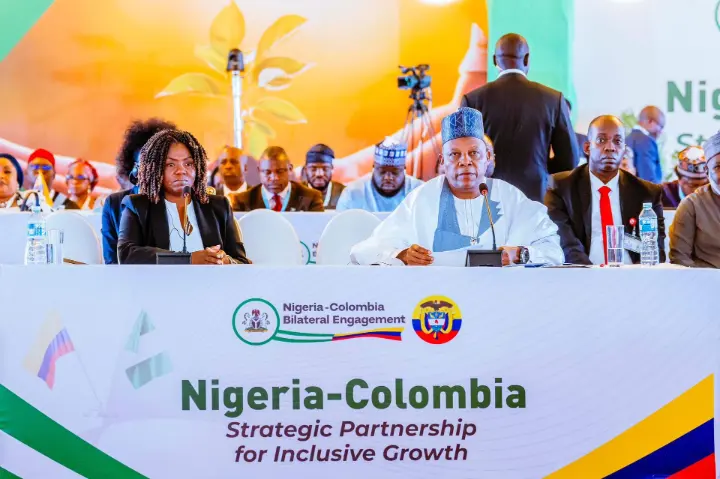
Economic opportunities across continents
Both Nigeria and Colombia are navigating critical transitions in their economies. Nigeria, Africa’s largest economy, is pushing to diversify away from oil, while Colombia is expanding beyond traditional exports such as coffee. The MoU positions both nations to benefit from shared expertise and new markets.
Agriculture is likely to emerge as a central pillar. Colombian experience in sustainable coffee and cocoa production could boost Nigeria’s agro-value chains, while Nigerian advances in agricultural technology and energy could find fertile ground in Colombia’s rural development initiatives. Business leaders from both countries are expected to seize the opportunity to forge cross-border partnerships.
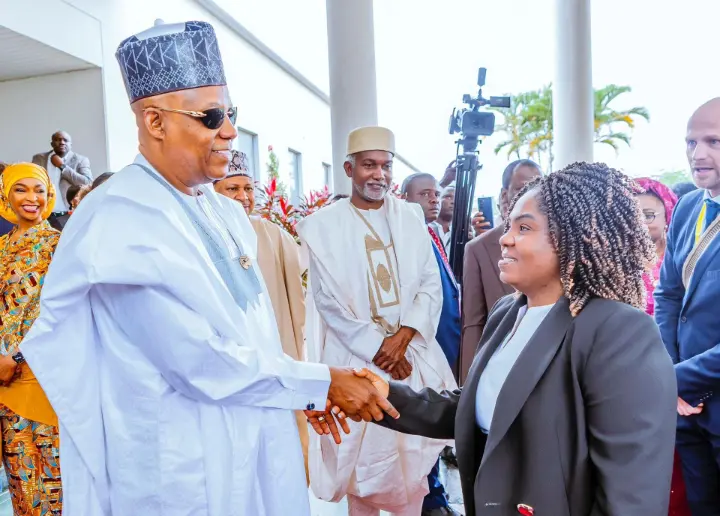
Beyond economics: Cultural diplomacy
The agreement also signals a wider opening for cultural exchange. Nigeria and Colombia are both nations of vibrant youth cultures, global music scenes, and thriving film industries. By simplifying diplomatic procedures, the MoU makes it easier for artists, students, and professionals to collaborate across borders.
Such cultural ties often strengthen diplomacy in ways official policies cannot. From Afrobeat and Nollywood to Cumbia and Colombian cinema, cultural diplomacy could become one of the most visible signs of this new partnership.
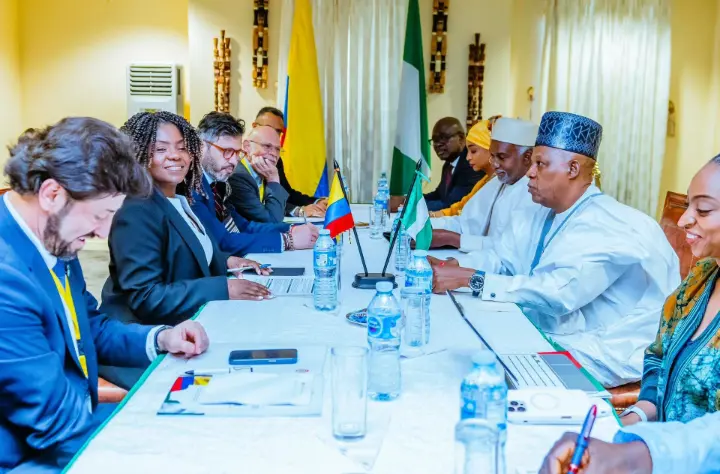
A message to the world
The MoU carries a broader geopolitical message: emerging economies are shaping their own alliances. At a time when Africa and Latin America are attracting heightened global interest, Nigeria and Colombia are demonstrating agency by building direct bridges of cooperation.
While the MoU is just the first step, it is a symbolic and practical move towards stronger South–South cooperation. If successfully implemented, it could serve as a template for similar partnerships between Africa and Latin America, two regions that share histories of resilience, creativity, and ambition.