Mozambique is stepping into the spotlight of African diplomacy with a bold infrastructure bet, the Mphanda Nkuwa hydroelectric plant, a $6 billion project backed by the World Bank and international partners. Branded as the largest energy investment in southern Africa in 50 years, this plant is more than just a power source. It is a statement about how infrastructure, politics, and diplomacy now intertwine on the continent.
At its core, Mphanda Nkuwa is designed to boost Mozambique’s power generation capacity and turn the country into a regional energy hub. With an expected output of over 1,500 megawatts, the plant will not only supply domestic demand but also generate surplus electricity for sale across southern Africa. For a region often plagued by rolling blackouts, this promises stability and growth.
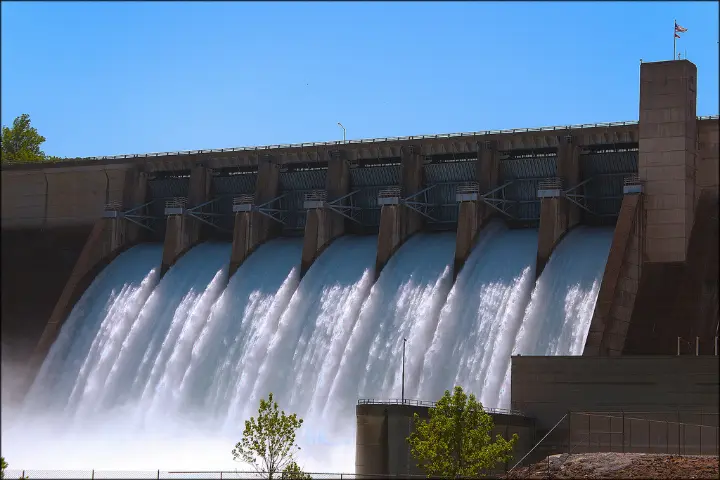
But energy diplomacy is never simple. Who gains? The Mozambican government is positioning itself as a driver of regional power trade through the Southern African Power Pool, exporting electricity to neighbours like South Africa and Zimbabwe. For investors, including the World Bank and private sector players, the project signals confidence in Mozambique’s long-term stability, a much-needed endorsement given the country’s recent struggles with conflict in Cabo Delgado and economic volatility.
Yet the excitement is tempered by social and environmental concerns. Large hydro projects have historically displaced communities, altered ecosystems, and disrupted local livelihoods. Civil society groups are already raising questions about resettlement plans, environmental safeguards, and whether the economic benefits will truly reach ordinary Mozambicans. Infrastructure diplomacy, after all, walks a fine line between ambition and accountability.
Beyond Mozambique’s borders, the project also has a diplomatic ripple effect. Energy exports are a form of soft power, giving Maputo leverage in regional politics. By becoming a reliable energy supplier, Mozambique can strengthen its bargaining position within the Southern African Development Community (SADC) and attract further foreign direct investment. It’s a strategic shift, moving from a resource-dependent economy to one where energy infrastructure itself becomes a tool of statecraft.
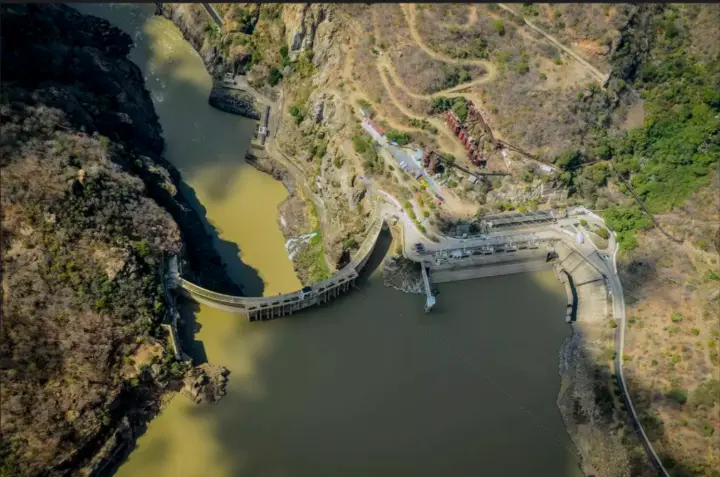
The Mphanda Nkuwa project is a gamble: a high-stakes play that could transform Mozambique’s role in Africa’s development story, or deepen inequalities if mismanaged. What’s clear is that infrastructure is no longer just about bricks, steel, or turbines. It is about diplomacy, influence, and the future balance of power in Africa.
Sources: