Morocco has officially invited the Alliance of Sahel States (AES), comprising Burkina Faso, Mali, and Niger, to a high-level conference on terrorism and regional security.
This move, shows Rabat’s growing ambition to position itself as a key security and diplomatic player in West Africa.
The three Sahel countries, led by military governments, have distanced themselves from traditional Western allies like France and ECOWAS, seeking new strategic partners. Morocco’s decision to engage them is a calculated diplomatic gamble — one that could reshape the region’s balance of power.
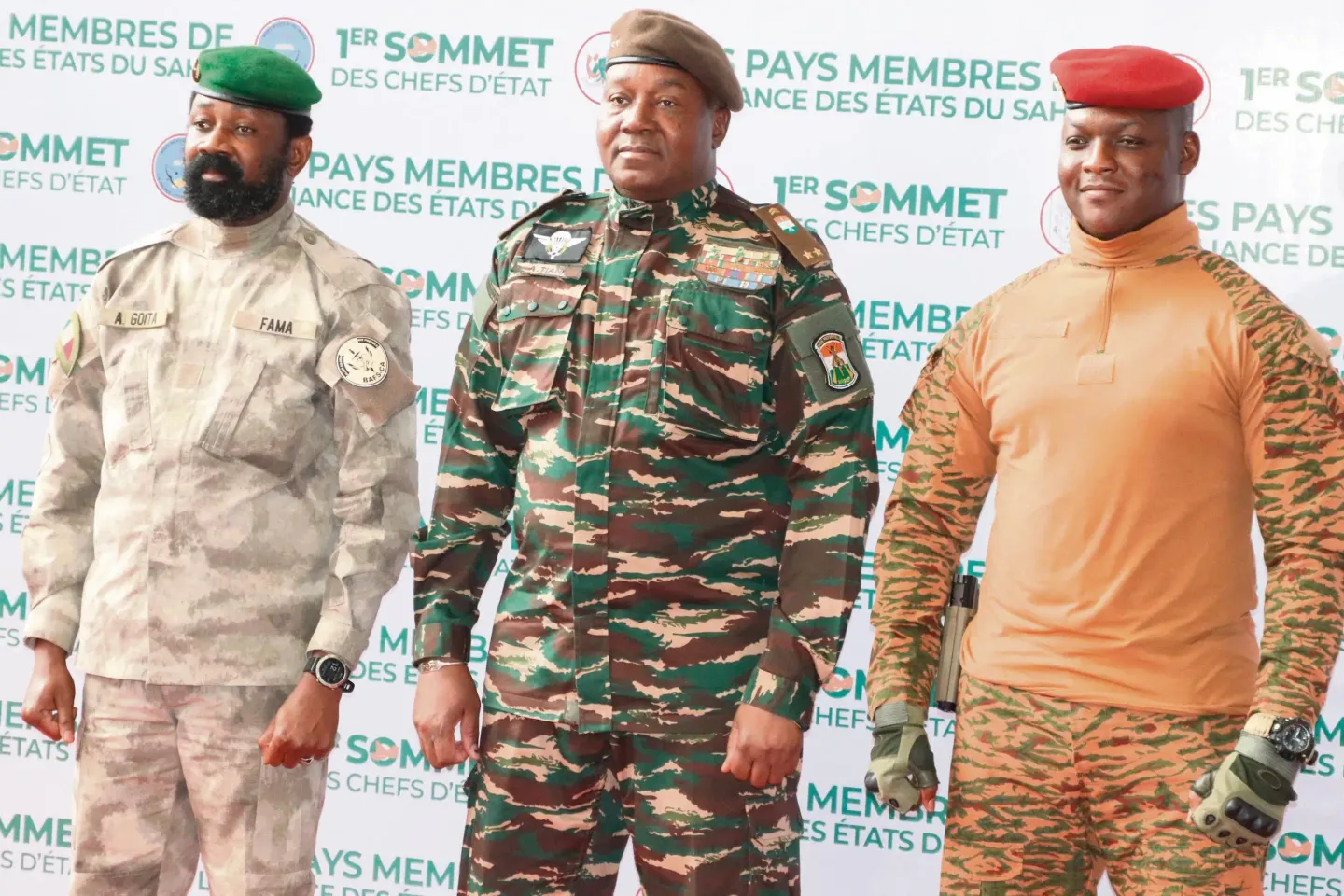
Interim Presidents Assimi Goïta (Mali), Abdourahamane Tiani (Niger) and Ibrahim Traoré (Burkina Faso) at the first AES summit on July 6, 2024. Icon Sport / © Djibo Issifou/PictureAlliance
This isn’t just another regional meeting. It’s a statement.
For years, Morocco’s influence has been strongest in North and West Africa through trade, culture, and counterterrorism training. But by reaching out to the junta-led AES states, Rabat is signaling that it’s ready to engage whoever holds power, regardless of Western disapproval.
This move could make Morocco a bridge between the Sahel’s military regimes and the rest of the continent, offering dialogue where isolation once stood. It also underlines a larger trend: African nations taking charge of their own security diplomacy, no longer waiting for Western mediation.
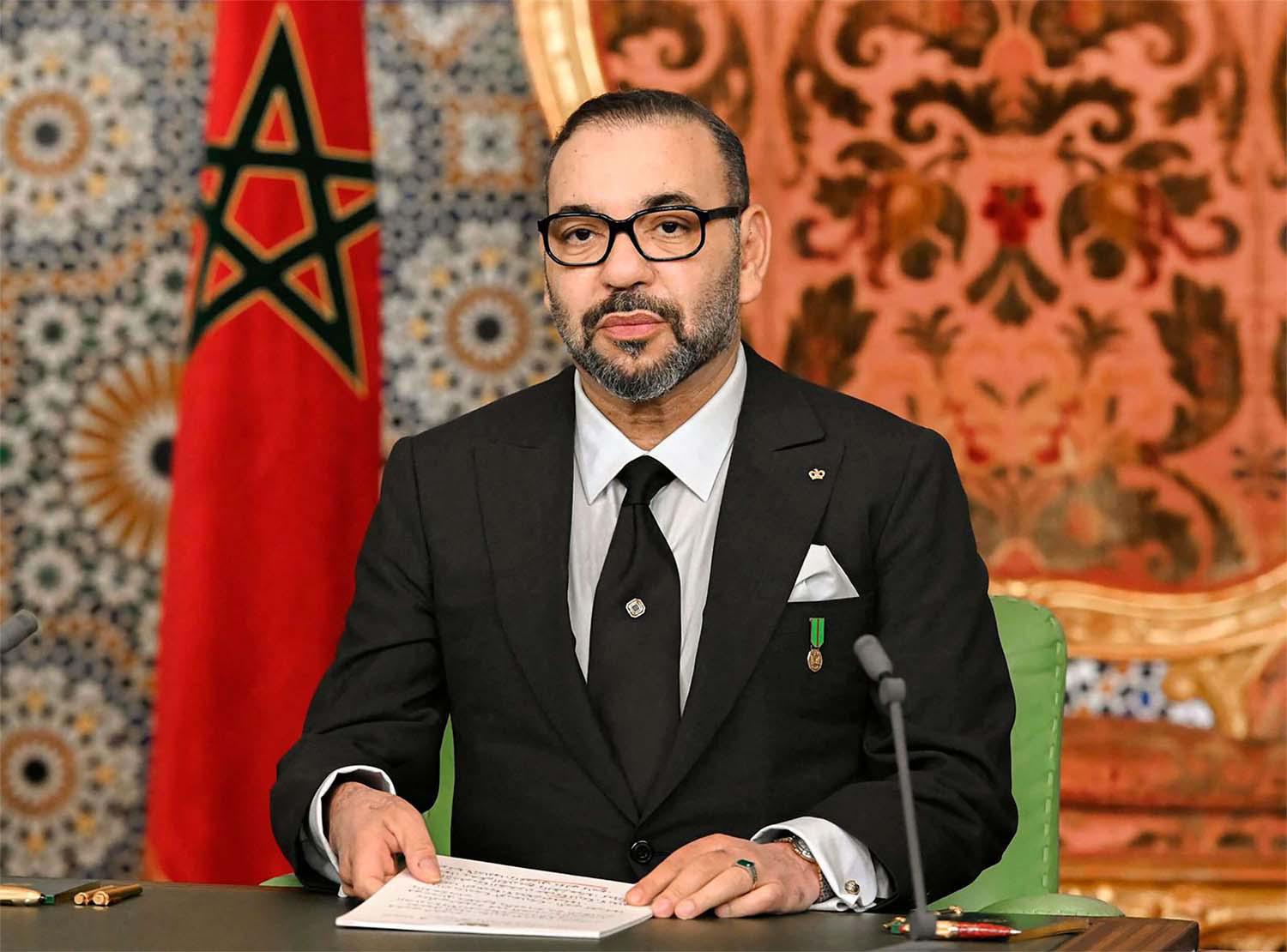
King Mohammed VI
Meanwhile, France and ECOWAS find themselves reassessing their roles, as Russia, Turkey, and now Morocco, step into influence gaps left by Western fatigue and mistrust.
This development raises a key question:
Who gets to shape Africa’s security future, external powers or Africans themselves?
If successful, Morocco’s outreach could open doors for new trade, infrastructure, and intelligence partnerships with the Sahel bloc. It could also inspire other African nations to practice pragmatic diplomacy, focusing on regional solutions instead of imported ones.
Morocco’s quiet but bold diplomacy is rewriting the playbook in West Africa. It’s not about choosing sides anymore, it’s about choosing stability.
As Africa’s political map evolves, Rabat’s move reminds us that the continent’s future security conversations must happen in African capitals, not foreign boardrooms.