Kenya is once again stepping into the spotlight of global diplomacy. President William Ruto is preparing for a crucial trip to Washington, where he’s expected to reassure the United States of Kenya’s loyalty as a strategic partner while at the same time keeping close ties with China.
According to Africa Intelligence, Ruto has hired a powerful lobbying firm in the U.S. to make sure Kenya’s interests remain on Washington’s agenda. This move shows just how important the relationship with the U.S. is, even as Nairobi leans on Beijing for large-scale infrastructure investment.
Why the U.S. still counts
For Kenya, America remains an indispensable partner. The two countries cooperate closely on counterterrorism, regional stability, trade, and development aid. Washington also continues to provide opportunities through the African Growth and Opportunity Act (AGOA), which allows duty-free exports into the U.S. market.
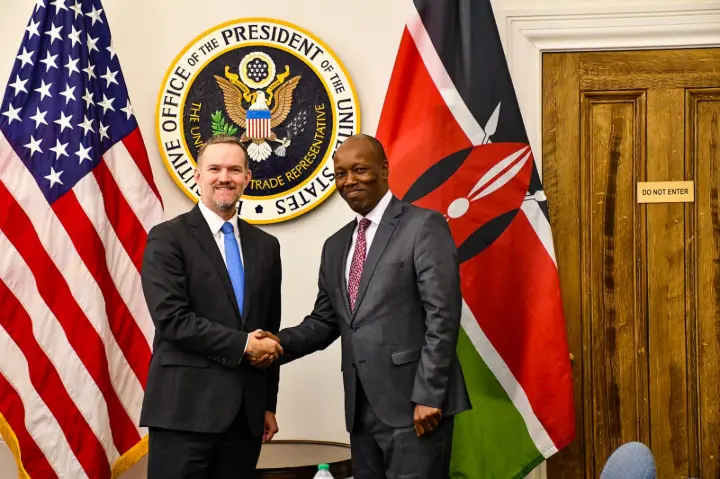
Ruto’s visit is expected to cover security agreements, expanding trade opportunities, and positioning Kenya as a reliable democratic ally in East Africa, a region where stability is always fragile.
But here’s the catch: while Nairobi leans on Washington for security and global legitimacy, it leans on Beijing for roads, railways, and energy projects. China has poured billions into Kenya’s infrastructure, shaping its physical and economic landscape (Brookings). For ordinary Kenyans, Chinese-built projects are visible every day, from the Nairobi Expressway to modern rail lines.
Walking the tightrope
This is where Kenya’s diplomacy gets tricky. On one hand, Ruto needs to show Washington that Kenya remains a loyal partner. On the other, he cannot afford to walk away from Chinese investments that are fueling much of the country’s development.
Rather than “choosing sides,” Kenya is doing what many African countries are now mastering balancing relationships to get the best out of both worlds. From Addis Ababa to Pretoria, governments are crafting multi-layered partnerships with the U.S., China, Europe, and others. It’s less about loyalty to one bloc and more about agency, pragmatism, and making sure national interests come first.
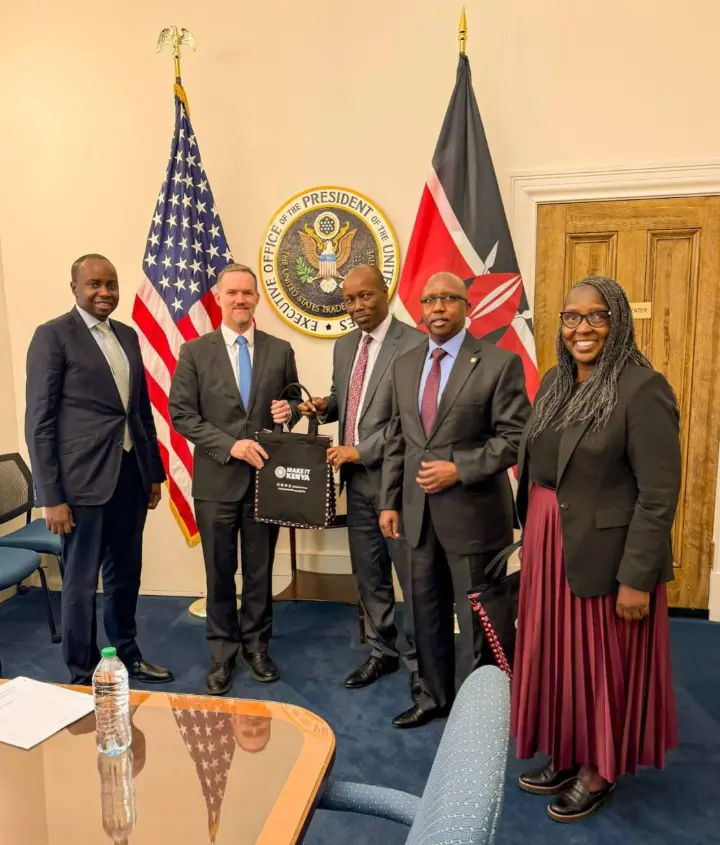
What this means for Kenya
The outcome of Ruto’s Washington visit could set the tone for U.S.–Kenya relations for years. If successful, it will reassure Washington of Kenya’s strategic importance. If not, it could accelerate Nairobi’s pivot toward Beijing.
Either way, Kenya is no longer just a junior partner in global politics. It’s actively shaping its own path, using global rivalries as leverage to secure its future. And that’s the essence of modern African diplomacy, confident, pragmatic, and unapologetically strategic.