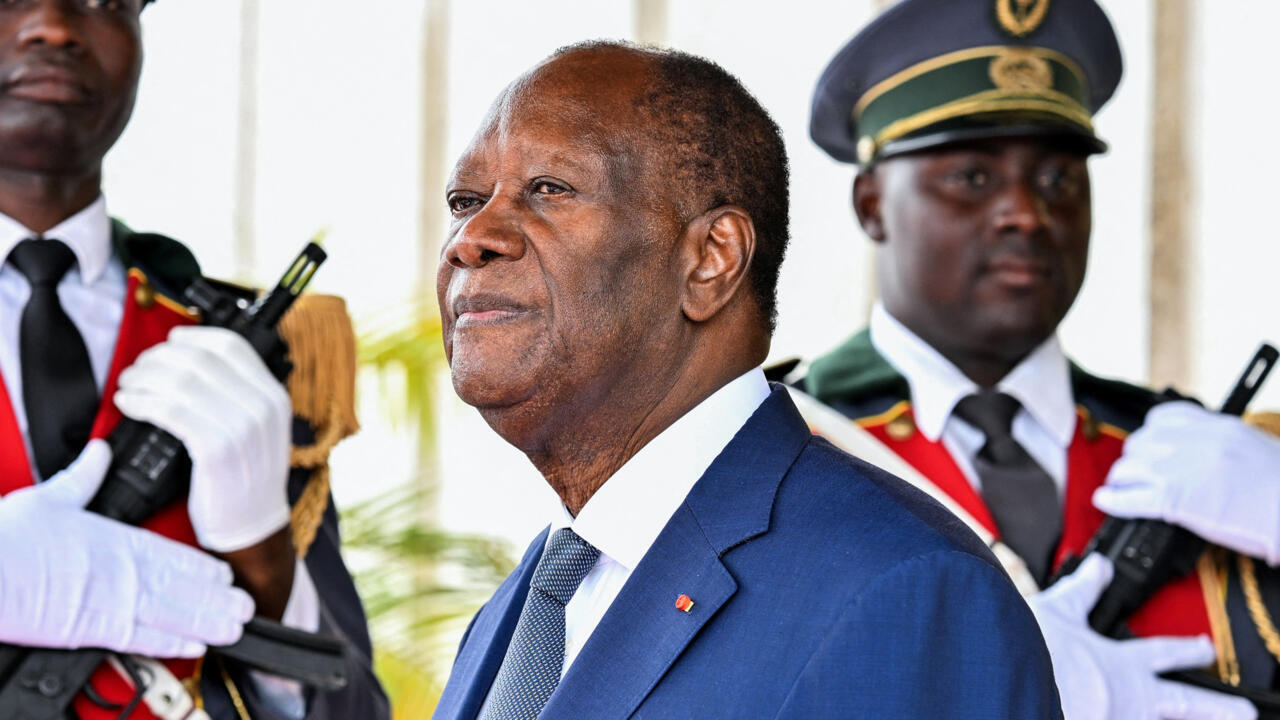
As Ivory Coast heads to the polls on October 25, the country is once again in the global spotlight. President Alassane Ouattara has confirmed his bid for a fourth term, a move that has set off fierce debate about democracy, succession, and the future of one of West Africa’s fastest-growing economies.
Ouattara, 83, says he is running to ensure “stability and continuity.” But many Ivorians and political observers across Africa see his decision as a test of constitutional limits and a reflection of a broader trend in African politics: leaders extending their time in power under the banner of national unity or reform.
The challengers step forward
Among Ouattara’s challengers are familiar and formidable names:
- Simone Gbagbo, former First Lady and a powerful voice for reconciliation.
- Jean-Louis Billon, a pro-business reformist pushing for economic inclusivity.
- Ahoua Don Mello, known for his criticism of foreign influence in local governance.
- Henriette Lagou Adjoua, one of the few women in the race, advocating gender equality and youth empowerment.
Their campaigns have focused on restoring democratic balance, reforming the CFA franc, and reducing dependence on France, a sensitive issue in Ivorian diplomacy.
The “Fourth Term” question
Ouattara’s supporters argue that his leadership has delivered results from infrastructure growth to economic recovery after years of conflict. Yet critics warn that changing constitutional interpretations to allow another term undermines democratic principles.
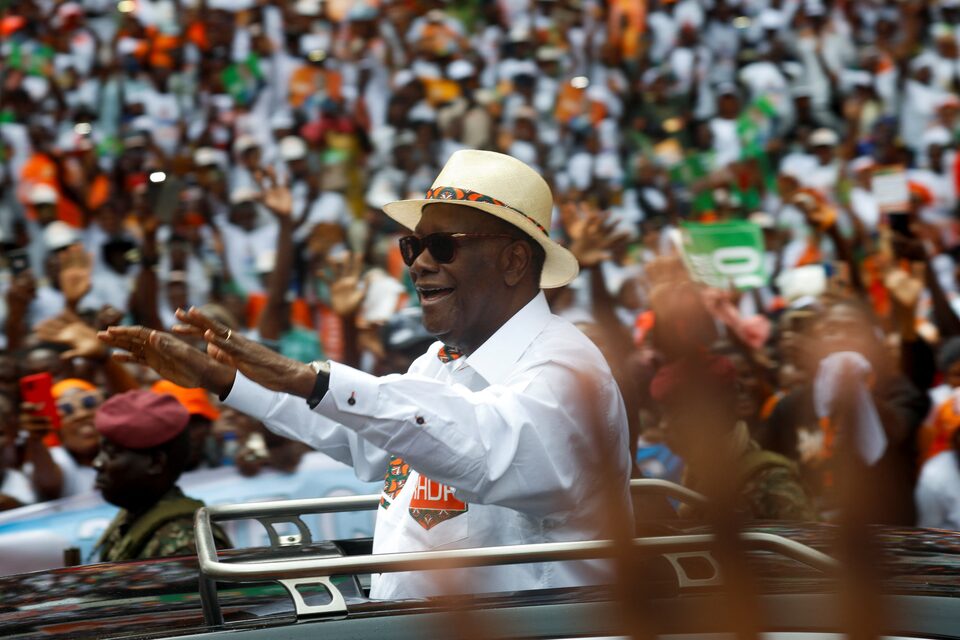
This is not just an Ivorian story. Across the continent, several leaders have sought to extend mandates or reinterpret constitutions from Cameroon’s Paul Biya to Uganda’s Yoweri Museveni and Rwanda’s Paul Kagame. The pattern raises questions about the future of term limits in Africa and whether stability can truly coexist with indefinite rule.
What’s at stake
Ivory Coast’s 2025 election is about more than who wins. It is about trust in institutions, the rule of law, and Africa’s democratic credibility. A peaceful, transparent vote would strengthen the country’s standing as a key player in regional diplomacy and trade. But any sign of manipulation or unrest could ripple across the Economic Community of West African States (ECOWAS), already tested by coups and transitions in neighbouring nations. As election day nears, Ivorians face a familiar choice between continuity and change.
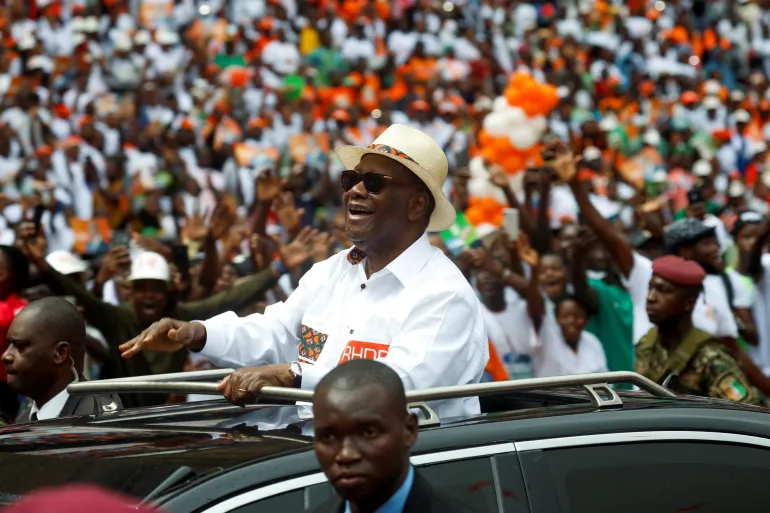
The world is watching not just to see who wins, but to see what this election says about Africa’s democratic resilience in 2025.