In a surprising twist in Cameroon’s political story, Issa Tchiroma Bakary, once the loyal spokesman for President Paul Biya’s government, has now emerged as Biya’s main challenger. Tchiroma, long seen as part of the establishment, declared victory in the October 12 presidential election, urging Biya to “accept the people’s will and step down peacefully.”
This move has turned heads across Africa. For decades, Cameroon’s politics has been synonymous with Biya, who has ruled since 1982, making him one of Africa’s longest-serving leaders. Tchiroma’s transformation from government ally to opposition leader highlights a growing trend in African politics: insiders breaking away to demand reform.
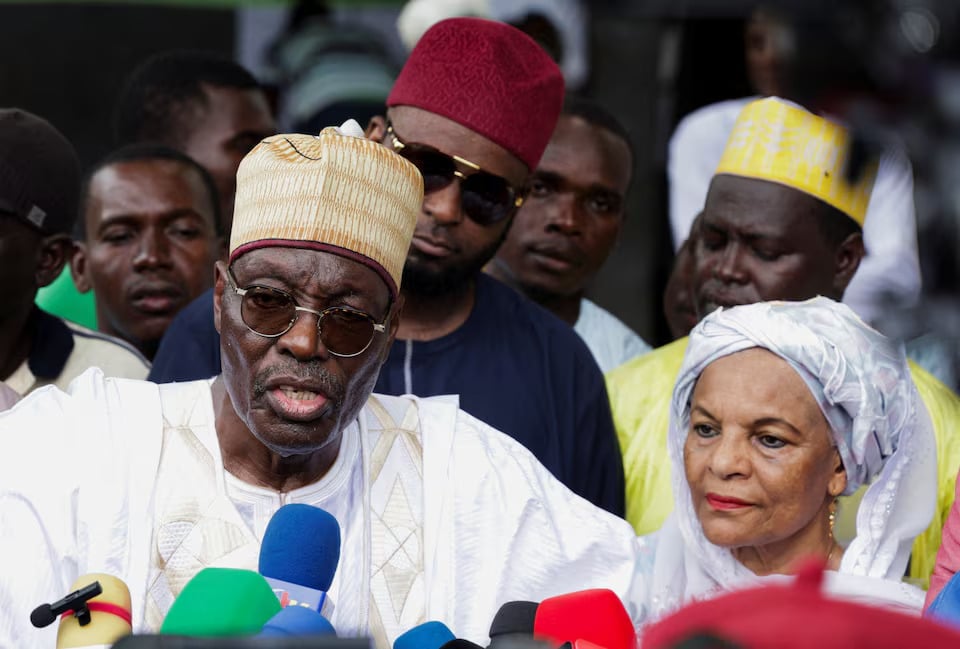
Tchiroma, 76, served as the government’s spokesman and Communications Minister the very face of Biya’s administration during turbulent years marked by conflict in the Anglophone regions and growing discontent among youth. Now, he is campaigning on a platform of institutional reform, national reconciliation, and the possibility of federal governance issues that have long divided the country.
His sudden political shift raises big questions. What pushes a long-time loyalist to rebel? Is this genuine conviction or clever political timing? Whatever the motive, his move signals cracks within the ruling system and a possible realignment in Cameroon’s future leadership.
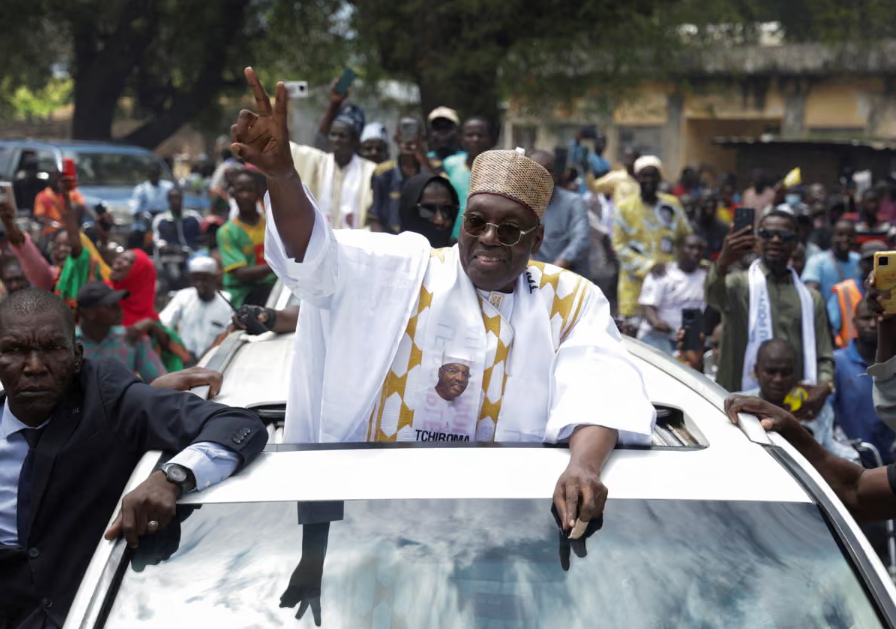
Cameroon today faces a crossroads. The economy is struggling, youth unemployment remains high, and tensions continue in the English-speaking regions. Many citizens are yearning for fresh leadership and accountability. Tchiroma’s message of reconciliation and reform seems to resonate with those who feel left behind.
Yet, skepticism lingers. Critics say he benefited from the same system he now condemns. Supporters argue that experience from within gives him the insight to fix it. Either way, his challenge marks the most serious threat to Biya’s long rule in years.
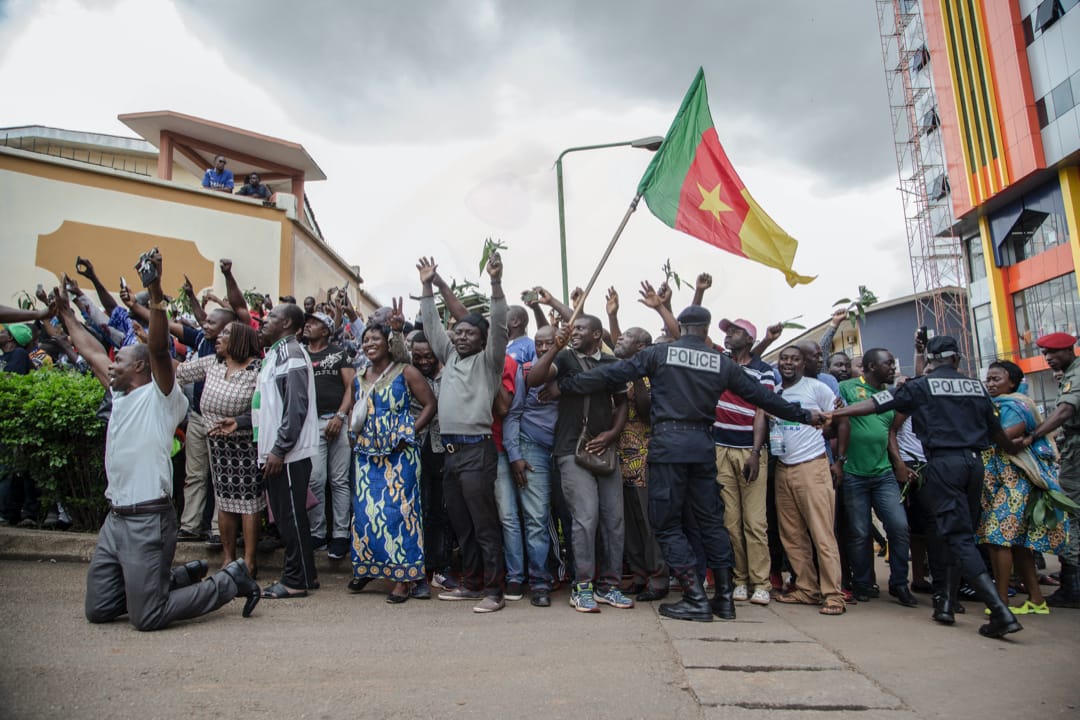
Tchiroma’s bold step reflects a broader “Old Allies, New Roles” trend across Africa, where former insiders are challenging political dynasties and long-serving rulers. It’s a shift that could reshape the continent’s political culture from loyalty politics to leadership based on reform, dialogue, and inclusion.
As the dust settles, all eyes are on Yaoundé. Will this be the beginning of a peaceful transition or another chapter in Cameroon’s long struggle for democratic renewal?