In the fast-changing world of global partnerships, a quiet but powerful shift is unfolding between Africa and the Gulf Arab states. The African Development Bank (AfDB), led by its Special Envoy for the Middle East, North Africa and Gulf Region, Jalel Trabelsi, is playing a central role in linking Gulf investors with African governments to accelerate trade, energy, and infrastructure cooperation.
Gulf countries including Saudi Arabia, the UAE, and Qatar are scaling up their investments in African infrastructure, renewable energy, agriculture, and digital technology. The AfDB is positioning itself as the “bridge of trust” between Gulf financiers and African economies hungry for capital to fuel their development ambitions.
But this surge of Gulf attention isn’t just about business. It’s diplomacy through economics. Petrodollars are being used strategically to strengthen ties, secure food and energy partnerships, and expand geopolitical influence across the continent.
For African leaders, this wave of interest offers a golden opportunity to diversify partnerships beyond the traditional Western and Chinese spheres. Gulf states bring deep pockets, fast decision-making, and a growing appetite for Africa’s emerging markets. But the deals also raise questions about sovereignty, dependency, and long-term impact.
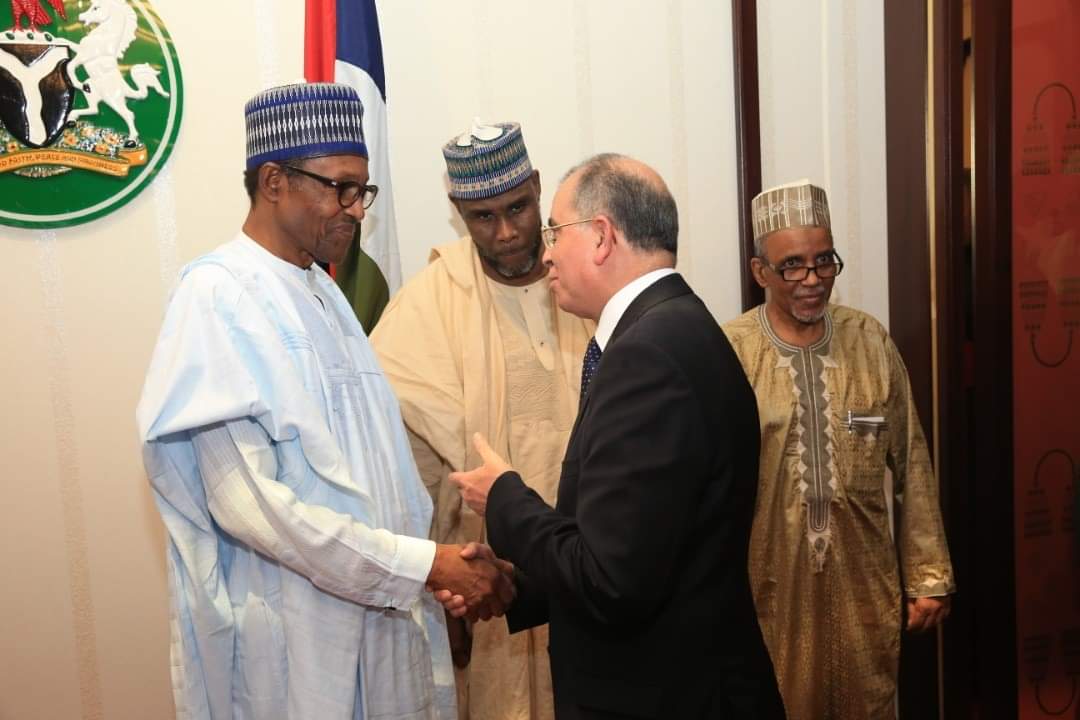
Will Gulf financing empower African economies or create new layers of influence? Can African nations negotiate equitable partnerships that prioritise local jobs and sustainable development? These are questions policymakers must ask as billions in Gulf capital flow into the continent.
The trend is particularly visible in East Africa, where Kenya, Tanzania, and Ethiopia are engaging in major infrastructure and energy talks with Gulf investors. The symbolism is clear: Africa is no longer a passive recipient of aid but a proactive player shaping global economic alliances.
As Gulf–Africa cooperation deepens, the next decade could see African capitals transform into hubs for Middle Eastern investment diplomacy a shift that could redefine the continent’s power dynamics.
The takeaway: This new era of Gulf–Africa relations could drive prosperity if African nations use the leverage wisely, negotiate transparently, and ensure that partnerships serve the people, not just politics.