On 12th September 2025, the world marked Global South Day, a moment for developing nations to reflect on their shared struggles and aspirations. For China, however, it was more than symbolism. Beijing used the occasion to spotlight the Belt and Road Initiative (BRI) as a vehicle for deeper South-South cooperation, announcing plans to establish a Global South Think Tank Alliance.
This move is not just about economics. It is diplomacy dressed in the language of solidarity, and Africa is right at the centre of it.
Africa’s Reception: Opportunity Meets Caution
African governments have historically welcomed China’s financing of roads, ports, and energy projects under the BRI. Many see the new think tank alliance as a chance to shape global conversations on development from their own perspectives, rather than through Western lenses. For countries often excluded from the decision-making tables of the IMF or World Bank, this platform promises influence and visibility.
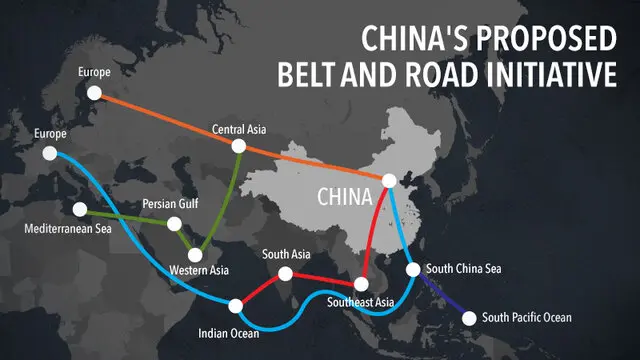
Yet, the enthusiasm is tempered by caution. Some policymakers worry about debt risks, uneven project benefits, and China’s growing leverage over African economies. Civil society voices also question whether a China-led alliance can truly serve African interests, or if it risks becoming another channel for external influence under a different flag.
A Counter-Narrative to Western Influence?
There is little doubt that Beijing’s Global South diplomacy is also about positioning itself as the alternative partner of choice. By offering forums, funding, and intellectual partnerships, China is telling the world: “We understand you better than the West ever will.”
For Africa, this framing is powerful. It speaks to shared histories of marginalisation and the desire for equitable partnerships. But it also sharpens the geopolitical competition playing out across the continent, where the U.S., EU, and even Russia are advancing their own influence agendas.
The Bigger Picture
What emerges is a delicate balancing act. African leaders must decide how to maximise opportunities, access to infrastructure, knowledge exchange, and visibility on global issues, without falling into dependency or lopsided relationships.
Global South Day 2025 shows that Africa is no longer a passive recipient in these dynamics. Instead, it holds the power to shape how these alliances work. Whether China’s think tank alliance becomes a genuine platform for shared progress or just another geopolitical tool will depend on how boldly African nations set their terms.