Ghana is taking a bold step into the future of diplomacy. On 21 October 2025, Foreign Minister Samuel Okudzeto Ablakwa announced that the country will introduce an electronic visa (e-visa) system by 2026, a move designed to simplify visa processing and strengthen trade, tourism, and diplomatic engagement.
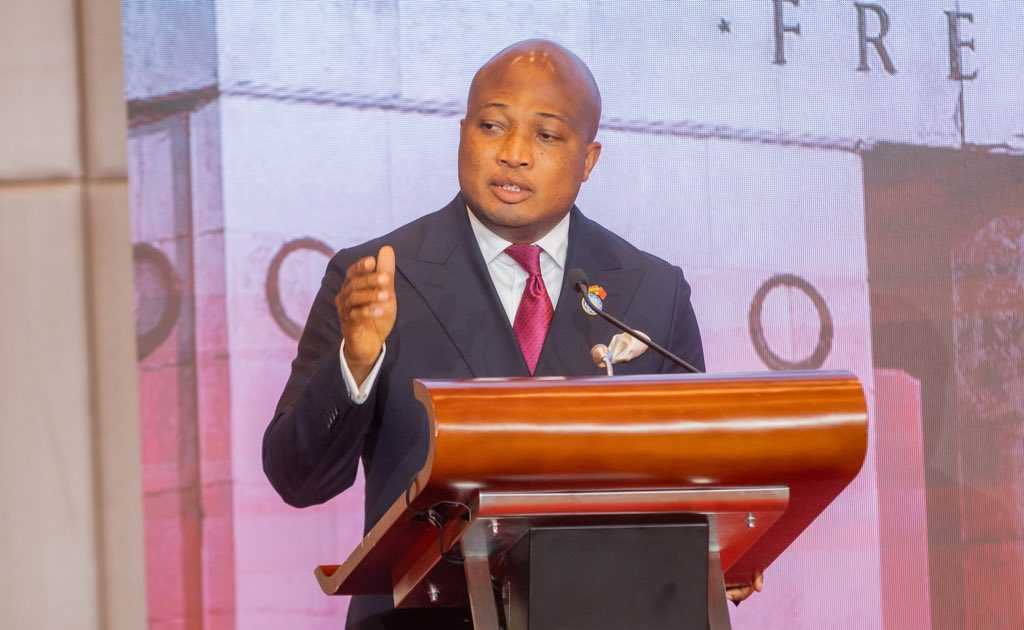
The e-visa rollout is part of Ghana’s broader effort to digitise diplomatic services and improve accessibility for international visitors.
This system will make it easier for investors, technologists, business professionals, and diplomats to travel to Ghana cutting out long queues, paperwork, and delays that have traditionally slowed down regional mobility.
In a continent where complex visa regimes often discourage trade and travel, Ghana’s move sends a powerful message: Africa is ready to modernise its diplomacy.
The e-visa system will position Ghana as a gateway to West Africa, a regional hub that welcomes innovation, technology, and economic cooperation.
This reform isn’t just about convenience; it’s a strategic diplomatic shift. By linking digital transformation with foreign policy, Ghana is embracing what experts call “digital diplomacy” using technology to make international relations faster, smarter, and more inclusive.
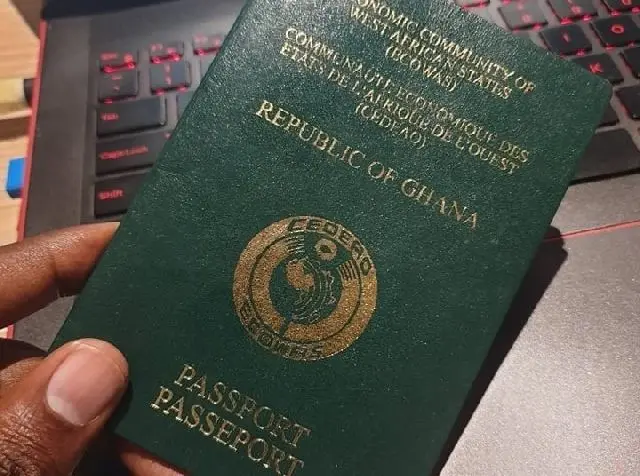
It’s also an opportunity to rebrand African diplomacy from slow and bureaucratic to agile and future-focused.
Across the continent, countries like Kenya, Rwanda, and Mauritius have already introduced e-visa systems with impressive results. Ghana’s decision builds on that momentum and signals a growing trend: Africa’s foreign ministries are going digital.
This step could also strengthen intra-African cooperation under the African Continental Free Trade Area (AfCFTA) by easing movement for business leaders and policymakers.
As global diplomacy becomes more tech-driven, Ghana’s move shows that Africa is not just catching up, it’s innovating on its own terms.