When disaster strikes or conflict breaks out, aid workers are often the first to arrive and sadly, sometimes the first to face danger. From delivering food in war-torn communities to providing medical help during outbreaks, their work is lifesaving but risky. That’s why Ghana’s move at the United Nations General Assembly (UNGA) on 21 September 2025 is making headlines.
Ghana’s Foreign Minister, Samuel Okudzeto Ablakwa, signed the “Declaration for the Protection of Humanitarian Personnel”, a global commitment designed to safeguard aid workers in conflict zones. The declaration ensures that humanitarian staff can deliver assistance without being targeted, harassed, or blocked from reaching civilians in need.
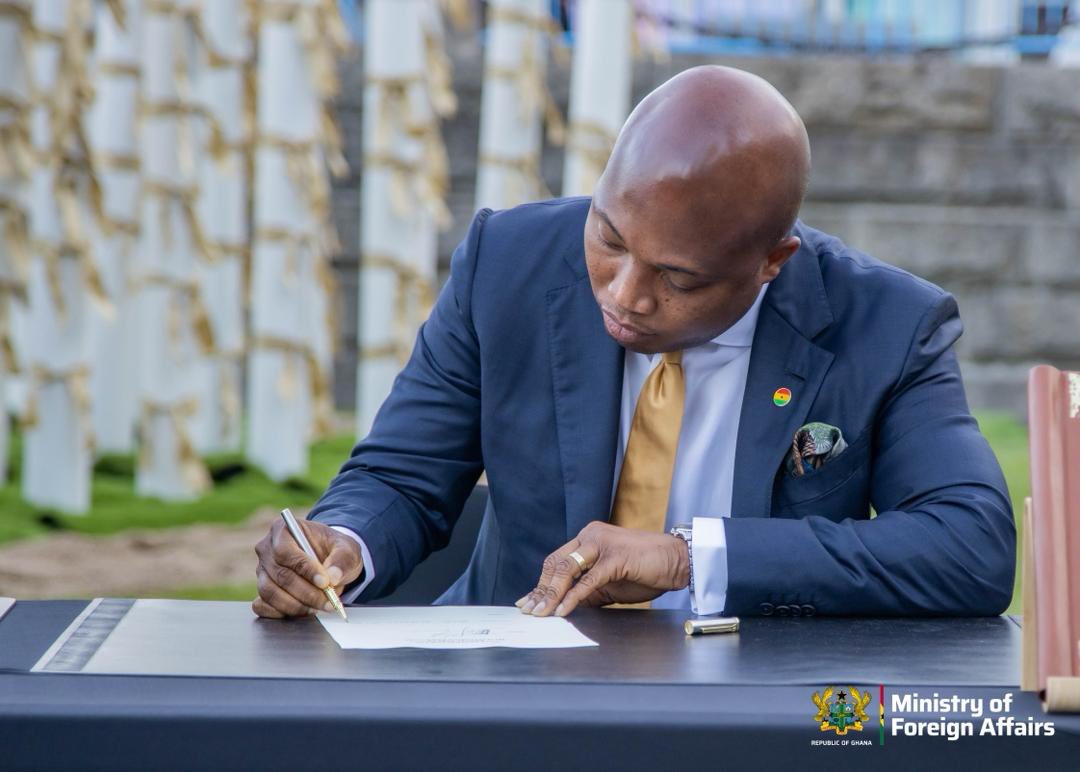
Ghana Foreign Minister Samuel Okudzeto Ablakwa at UNGA 2025 signing humanitarian personnel protection declaration
Why This Matters
In recent years, humanitarian workers have faced increasing threats in hotspots like Sudan, Somalia, and the Democratic Republic of Congo. Attacks on aid convoys, kidnappings, and bureaucratic roadblocks have all hindered the flow of life-saving supplies. For communities already caught in crisis, this can mean the difference between survival and despair.
By signing the declaration, Ghana is not only showing solidarity with aid organizations but also strengthening international humanitarian law. It signals that protecting those who protect others should be a shared global priority.
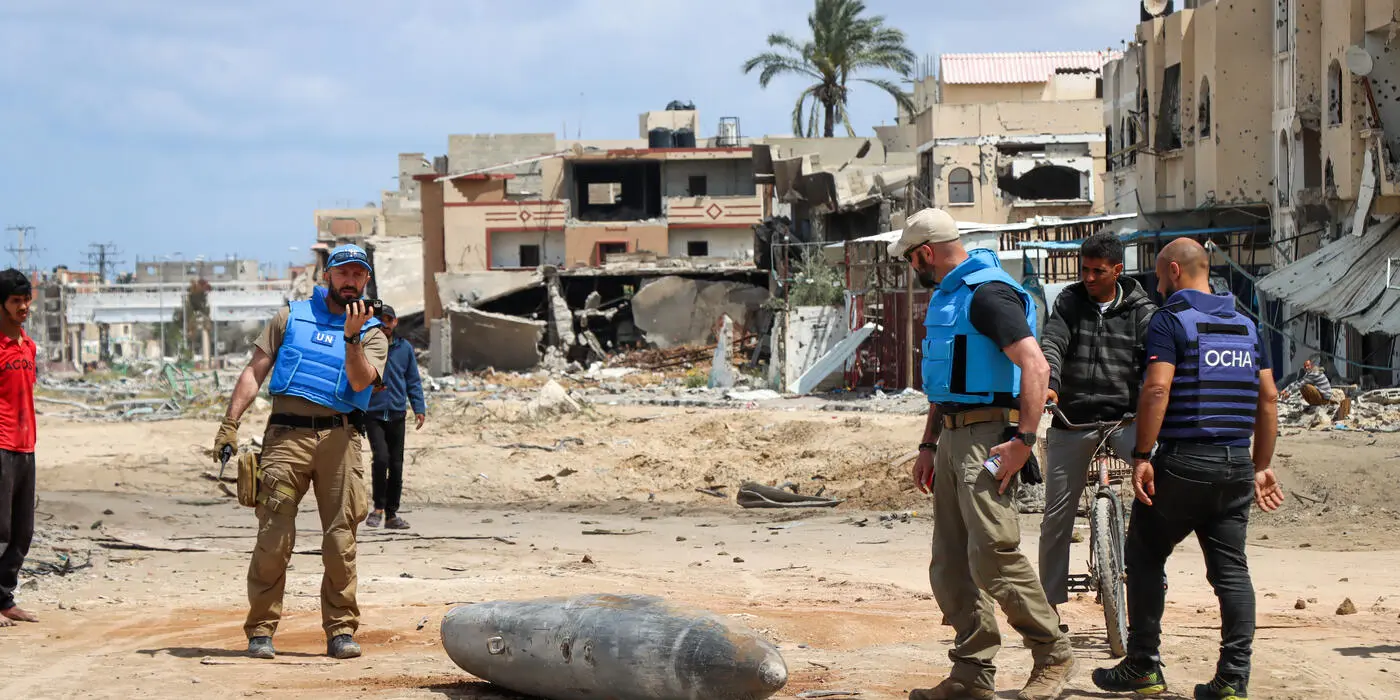
A UN team inspects an unexploded 1,000-pound bomb lying on a main road in Khan Younis. Photo by OCHA/Themba Linden.
Ghana’s Leadership Role
This bold step cements Ghana’s reputation as a diplomatic leader in Africa. The country has long played a stabilizing role in peacekeeping across the continent, from Liberia to Mali. Now, by advocating for humanitarian protections, Ghana is setting a precedent for other African nations.
The big question is: Will others follow? If more African governments endorse the declaration, it could create a united front against violations of humanitarian principles giving aid workers stronger guarantees of safety and access.
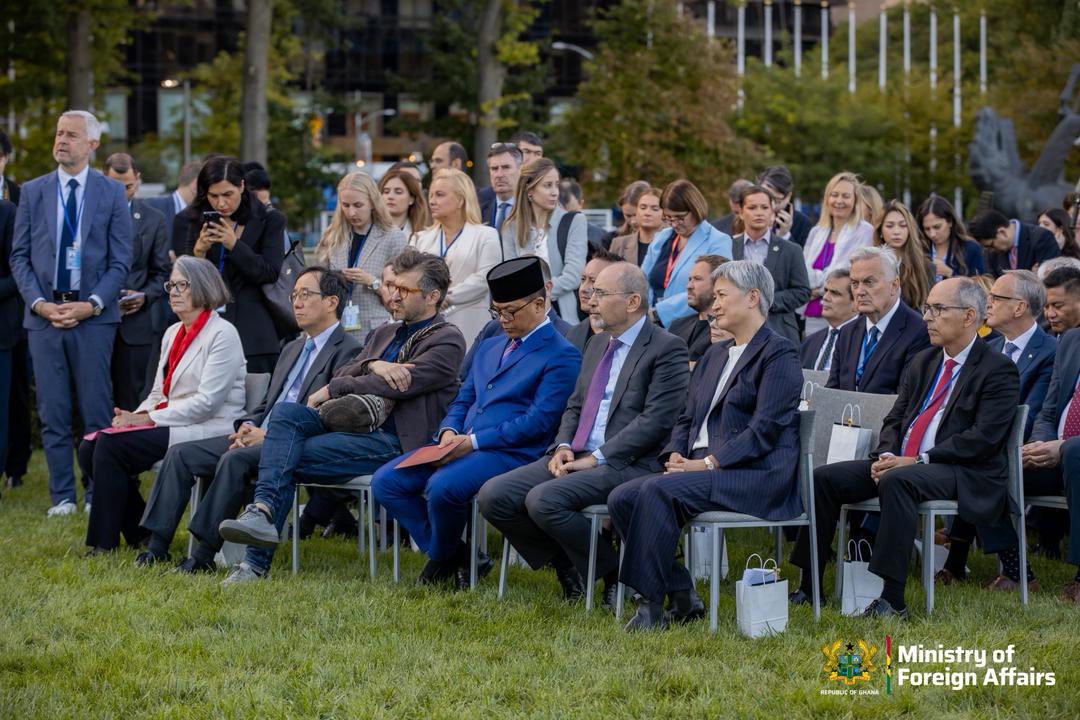
What Comes Next?
While the signing is symbolic, its impact will depend on implementation. Will governments enforce stronger penalties for attacks on aid workers? Will military actors respect humanitarian corridors? These are the challenges that remain.
For now, Ghana has planted a flag for justice and humanity. And in a world where crises are multiplying, from climate-driven disasters to armed conflicts, such leadership cannot come soon enough.