For decades, France has been a dominant player in the Sahel region, projecting both military and political influence across West Africa. From counterterrorism missions to development aid, Paris positioned itself as a reliable partner. But today, France finds itself at a crossroads. The alliances it once counted on are shifting, local governments are charting new paths, and public opinion across the region is demanding a fresh approach.
The Sahel has become a testing ground for global diplomacy. Once considered France’s traditional sphere of influence, it is now a crowded space where Russia, China, Turkey, and Middle Eastern powers are making their presence felt. Countries like Mali, Burkina Faso, and Niger are openly questioning France’s role and exploring new security and economic partnerships. For France, this signals the end of business as usual.
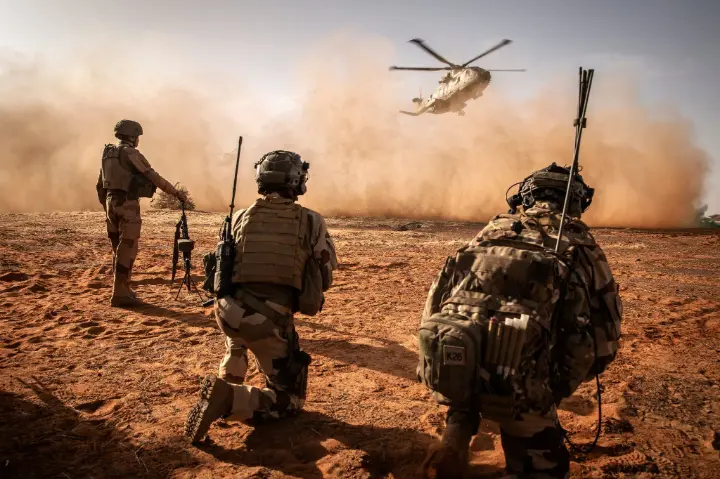
Much of the criticism directed at Paris stems from frustration over its military presence. France’s Operation Barkhane, once hailed as a crucial counterterrorism effort, became unpopular as security conditions worsened despite years of intervention. Local populations often viewed French bases not as protection, but as symbols of dependency and external control. In response, France has scaled down its footprint, but this has also raised questions: without a clear strategy, can France remain a trusted partner in the Sahel?
At the same time, African governments are asserting greater agency. Instead of relying on a single external power, they are diversifying partnerships inviting Russian trainers, seeking Chinese investment, and strengthening ties with Gulf states. This multipolar approach reflects Africa’s growing confidence to set the terms of its international engagement. For France, adapting to this reality means shifting from dominance to cooperation, from military-first strategies to partnerships built on mutual respect.
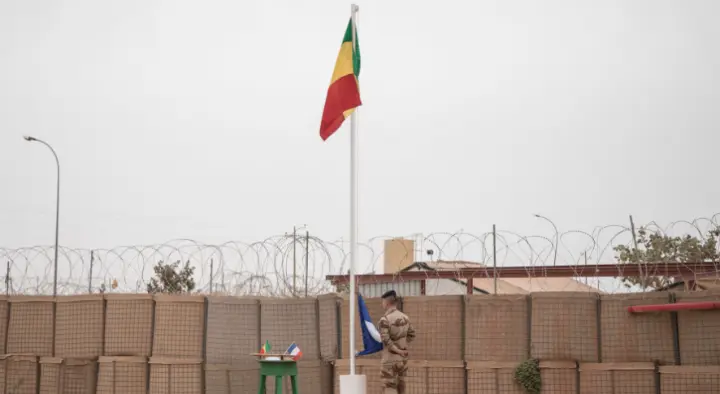
The stakes are high. The Sahel is grappling with violent extremism, migration pressures, food insecurity, and fragile governance. How France recalibrates its role will not only determine its relevance in the region but also influence broader debates on the role of former colonial powers in Africa. Can Paris reinvent itself as a partner that listens, supports, and respects African sovereignty? Or will it be sidelined as new actors take centre stage?
As the world watches, one thing is clear: the Sahel is no longer a stage for old narratives. It is a space where African agency is reshaping diplomacy and where France must decide whether to adapt or fade into the background.
Source: Modern Diplomacy