When you hear about the Nile, you probably picture the lifeline of ancient Egypt or the majestic river winding its way across Africa. But today, the Nile is at the centre of one of the most pressing diplomatic disputes on the continent: Ethiopia’s Grand Ethiopian Renaissance Dam (GERD).
For Ethiopia, GERD is more than just a dam. It’s a national dream, Africa’s largest hydroelectric project, capable of generating over 6,000 megawatts of electricity. That’s power for millions of homes, factories, and schools, and a chance for Ethiopia to position itself as an energy hub in the region. In Addis Ababa, the dam is a symbol of self-reliance and a break from a history of underdevelopment.
But downstream, the story looks very different. Egypt depends on the Nile for over 90% of its freshwater. Every drop matters for farming, drinking, and sustaining life for more than 110 million people. Cairo fears that the GERD’s reservoir could mean less water flowing north, putting its very survival at risk. Sudan, caught in the middle, sees both opportunity and danger, hoping for flood control and cheap electricity, yet worried about the risks to its own dams and agriculture (Stimson Center analysis).
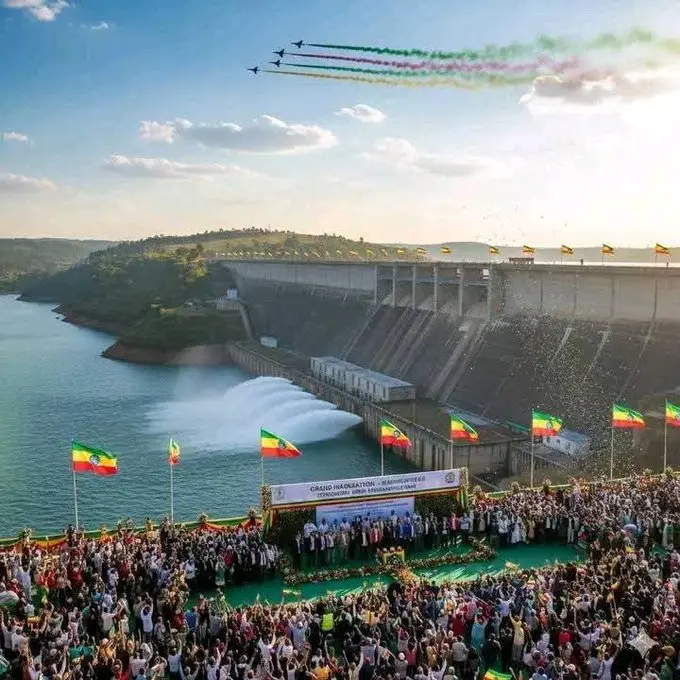
This isn’t just about water. It’s about trust, sovereignty, and regional power. Ethiopia insists the dam won’t harm its neighbours and has offered data-sharing arrangements. Yet years of negotiations have repeatedly broken down, fuelled by political mistrust and nationalist rhetoric on all sides.
The African Union has stepped in to mediate, and global players, from the U.S. to Gulf states, are watching closely. After all, the Nile dispute is more than a regional quarrel. It’s a test case for how Africa handles transboundary resources in an era of climate change and population growth.
Here’s the bigger question: does the Nile become a flashpoint for conflict, or a platform for cooperation? Experts point to solutions, joint energy grids, fair water-sharing agreements, and transparent reservoir management, that could turn the Nile into a tool for integration rather than division. But that requires political courage.
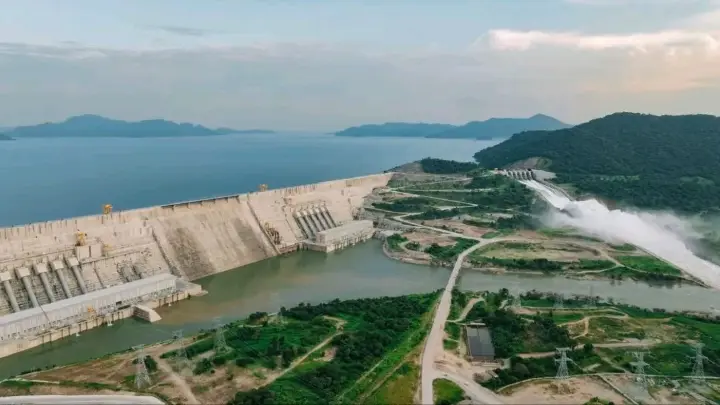
As Ethiopia advances new filling stages of the dam, the urgency is growing. For Herlee Media Hub readers, GERD is a reminder of how infrastructure and diplomacy are deeply intertwined. A dam is never just concrete and steel; it’s a statement of power, a trigger of fears, and potentially, a bridge to cooperation.
The Nile has flowed for thousands of years, connecting countries and cultures. Whether it becomes a river of unity or discord now depends on the choices leaders in Addis Ababa, Cairo, and Khartoum make in the coming months.