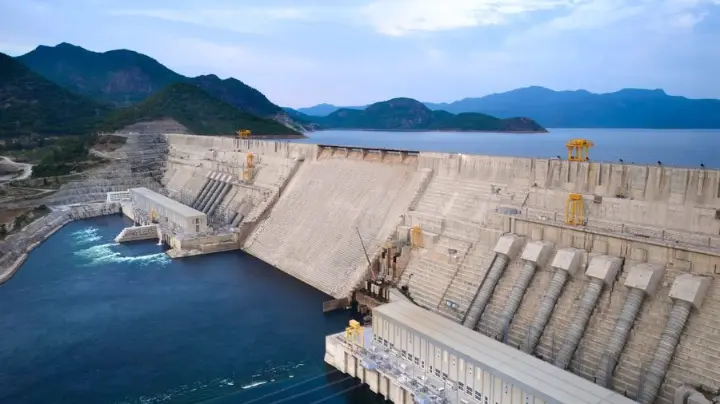
The Grand Ethiopian Renaissance Dam (GERD) has officially entered large-scale operation, a moment Ethiopia has hailed as a milestone of sovereignty and development. For many Ethiopians, the dam represents not just electricity and economic growth, but also national pride proof that Africa can finance and deliver transformative infrastructure without bowing to external pressure.
Yet downstream, in Egypt, the mood is starkly different. Authorities in Cairo fear that the GERD will drastically reduce water flows from the Nile, the lifeline of Egypt’s agriculture, economy, and daily survival. The Nile provides more than 90% of Egypt’s freshwater needs, and any disruption raises alarms of water insecurity in an already climate-stressed region.
This tension is not new. For over a decade, Ethiopia and Egypt have sparred diplomatically, with rounds of African Union-led talks stalling and United Nations appeals failing to bring about a lasting agreement. What makes this moment particularly volatile is the convergence of multiple regional flashpoints.
According to the Stimson Center, Ethiopia has grown uneasy over reports of Egypt’s plans to deploy troops in Somalia. While officially framed as a counter-terrorism move, some Ethiopian analysts believe the move could also be linked to the broader struggle over the Nile, an indirect show of force in a region already riddled with security tensions.
The risks of escalation are real. Both nations see the Nile as existential: Ethiopia views GERD as its right to harness natural resources for development, while Egypt sees uninterrupted Nile waters as non-negotiable for survival. Left unresolved, the issue risks spilling beyond diplomacy into destabilizing proxy confrontations across the Horn of Africa.
So where are the mediators? The African Union has struggled to balance neutrality with effectiveness, while the UN has largely limited itself to urging dialogue. With neither side willing to compromise significantly, the vacuum leaves space for heightened rhetoric and possibly miscalculations.
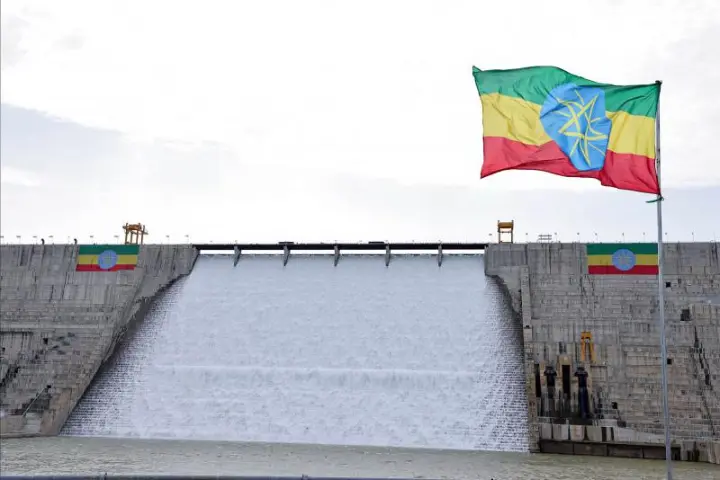
Public sentiment is also shaping the dispute. In Ethiopia, GERD is celebrated as a “people’s project,” crowd-funded and embraced as a national triumph. In Egypt, the dam is increasingly portrayed as a looming threat to ordinary families, fuelling nationalist narratives that pressure the government to act firmly. These competing emotions make diplomatic flexibility even harder.
The way forward requires more than technical agreements over water quotas. It demands political courage, trust-building, and credible international mediation. Without that, the Horn of Africa risks being pulled into yet another prolonged crisis one that pits development against survival, and national pride against regional stability.
At stake is more than just water. It is the very possibility of African nations resolving disputes through diplomacy rather than conflict.
Sources: