“They came in the night and did not spare anyone,” a displaced mother told reporters in Tawila as she cradled her child. Thousands from El Fasher arrived with stories of killings, looted homes and hospitals under siege and humanitarian workers warn the city is now on the edge of collapse. The Guardian
El Fasher, once a hub of markets, clinics and humanitarian coordination in North Darfur, is now a landscape of burned-out homes and mass displacement. Local sources and international agencies report that the Rapid Support Forces (RSF) captured the city in late October, and that operations by the paramilitary have been accompanied by killings, summary executions and targeted attacks on civilian infrastructure. The UN human rights office and independent fact-finding teams have described growing evidence of serious violations.
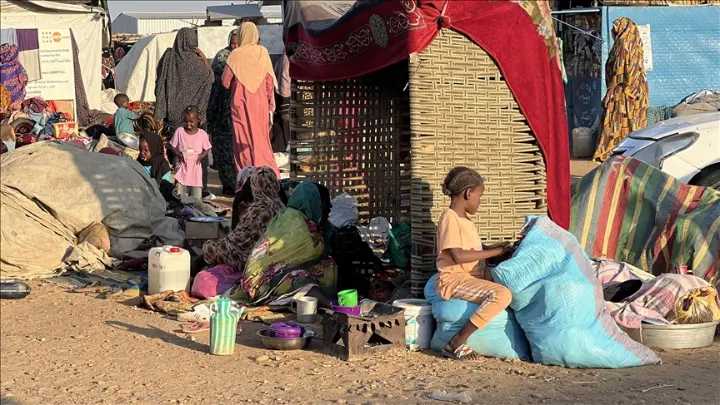
Humanitarian corridors that previously allowed food and medical supplies into the city have effectively collapsed in recent weeks, compounding an already dire situation created by more than a year of siege-like conditions. Relief organizations report that at least 36,000 people have fled El Fasher in recent days alone; many have arrived in Tawila, a town already sheltering hundreds of thousands of internally displaced people, creating severe shortages of shelter, water and medical care.
UN agencies and rights monitors say the scale and pattern of violence including reports of civilians being hunted down, executions and attacks on hospitals and mosques raise the question of whether international criminal accountability mechanisms should be activated. The Office of the UN High Commissioner for Human Rights has issued public statements expressing grave alarm and urging immediate measures to protect civilians and preserve evidence. (OHCHR)
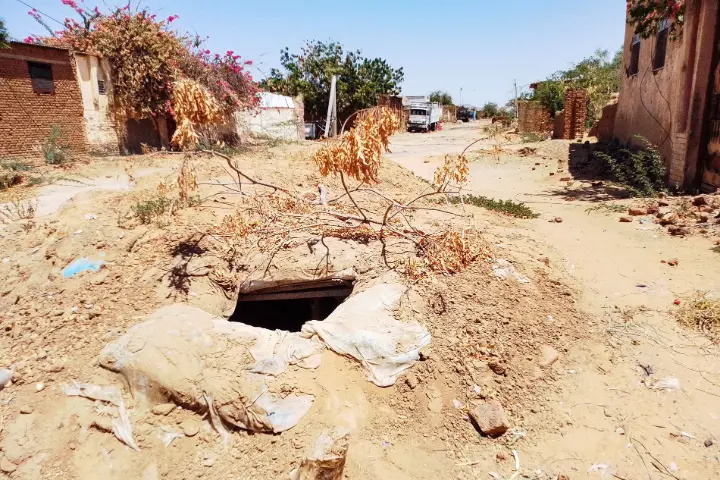
A makeshift bunker dug in El Fasher as a hideout from clashes between the paramilitary RSF and the Sudanese army and allied militias. Photo by Muammar Ibrahim/AFP/Getty Images
Diplomatically, the fall of El Fasher has set off rapid-fire responses. Several governments, regional bodies and the UN Security Council have issued statements calling for urgent investigations and unimpeded humanitarian access. But political fault-lines complicate coordinated action: competing external backers and fractured mediation tracks have limited the international community’s ability to impose a swift, unified response. The Security Council has circulated press statements and convened briefings, but field access for investigators remains constrained. United Nations
The humanitarian consequences are immediate and stark. Medical workers warn of rising malnutrition, outbreaks of disease and a collapsing care pipeline: El Fasher’s hospitals and clinics have been damaged or looted in recent months and can no longer absorb mass casualty flows. Child-focused agencies have previously described the city as an “epicentre of child suffering,” and the new displacement waves threaten to push vulnerable populations especially children and pregnant women past a humanitarian tipping point.