In a significant diplomatic development, the Government of the Democratic Republic of the Congo (DRC) and the M23 rebel group have signed a framework peace agreement in Doha, Qatar, marking a renewed push to end years of conflict in the country’s eastern provinces.
The signing, held on 15 November 2025, was witnessed by regional and international mediators and signals cautious optimism for a region that has endured decades of insecurity, displacement, and humanitarian crises.
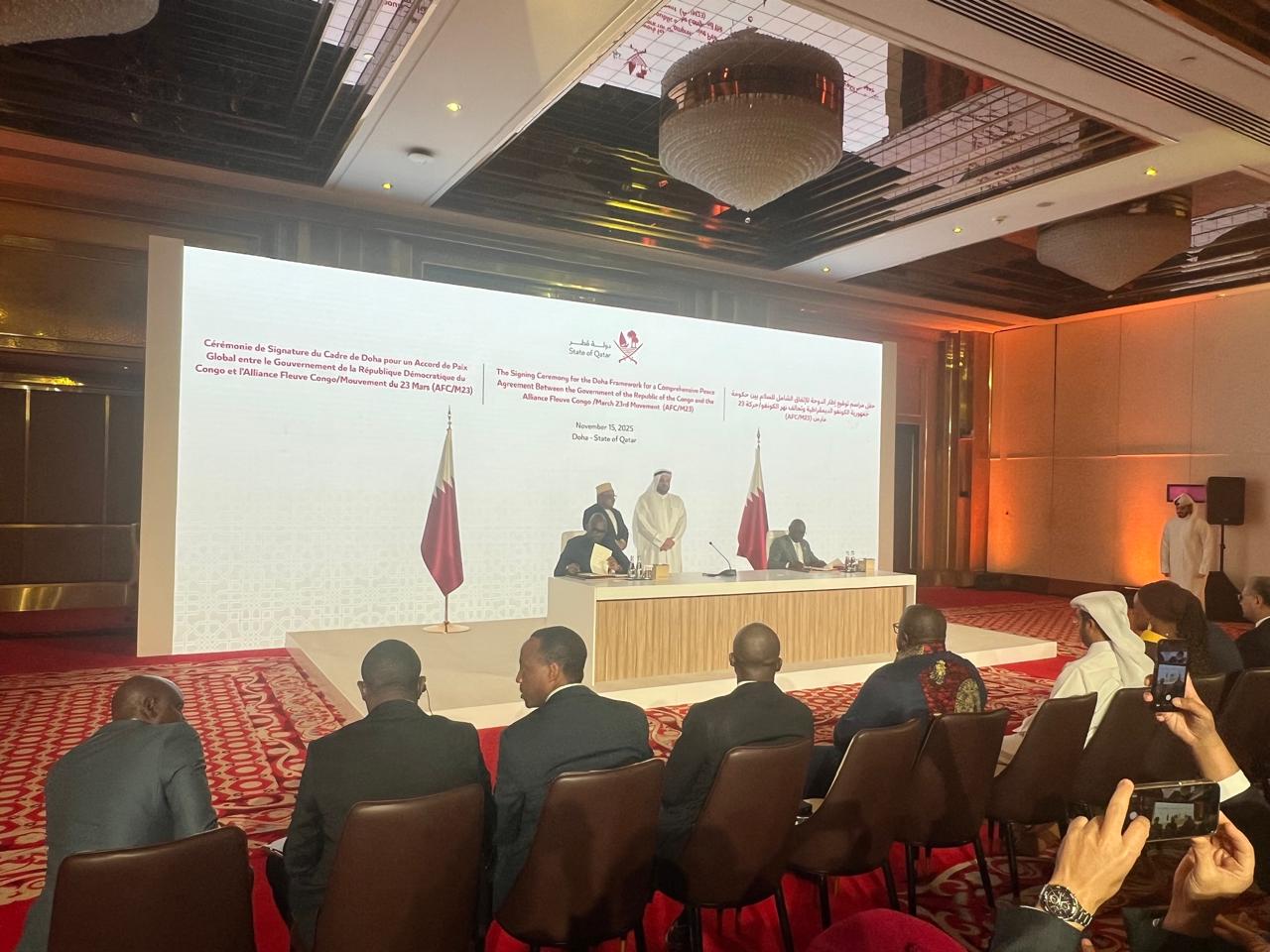
According to Reuters, the Doha framework outlines eight key protocols, ranging from prisoner exchanges and ceasefire monitoring to long-term disarmament and reintegration of combatants. So far, only two of these protocols, on prisoner swaps and ceasefire oversight—have shown tangible progress. The remaining six remain unimplemented, sparking concerns about whether the peace process will move beyond paper commitments.
Eastern DRC remains one of Africa’s most volatile regions, where multiple armed groups, ethnic tensions, and resource competition have fueled recurring violence. The ongoing instability has also affected regional relations, spilling over into neighboring Rwanda, Uganda, and Burundi, and displacing hundreds of thousands of civilians.
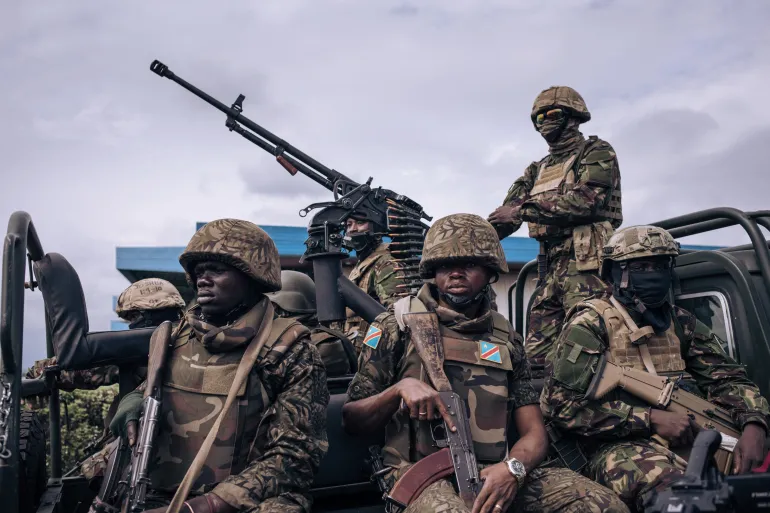
Diplomatic observers say that the Doha framework represents a critical opportunity for both sides to demonstrate genuine political will. The peace deal also underscores Qatar’s emerging role as a neutral mediator in African conflict resolution, mirroring its previous facilitation roles in Sudan and Chad.
The next steps in the process will determine whether the framework delivers lasting peace or becomes another stalled initiative. Key areas to monitor include:
- Disarmament, Demobilisation, and Reintegration (DDR) of M23 fighters
- Withdrawal of foreign combatants, if verified
- Implementation timelines for the remaining six protocols
- Monitoring mechanisms by regional and international partners
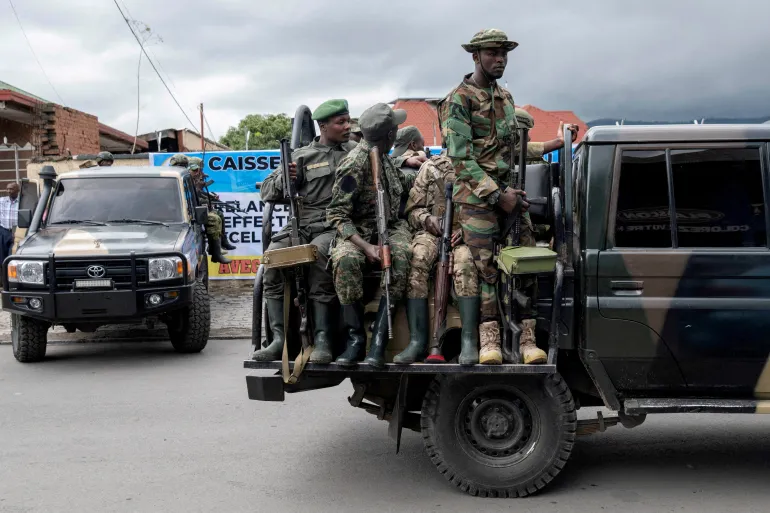
Analysts note that success will depend not only on the M23’s compliance but also on Kinshasa’s commitment to political inclusivity, local governance reforms, and protection of displaced communities.
While the signing marks a symbolic milestone, skepticism remains high. The DRC’s history is littered with peace accords that collapsed under mistrust and competing interests. The current framework will require strong verification, sustained funding, and regional cooperation to gain traction.
Still, the Doha agreement offers a glimmer of hope for millions in the DRC’s east, hope that this time, diplomacy might finally deliver peace.