Senegal has once again found itself at the centre of Africa’s growing conversation on debt, sovereignty, and diplomacy. This week, the International Monetary Fund (IMF) announced that it will dispatch a mission to Dakar to begin discussions on a new lending programme, a move that could reshape the country’s economic direction and test the delicate balance between financial support and national autonomy.
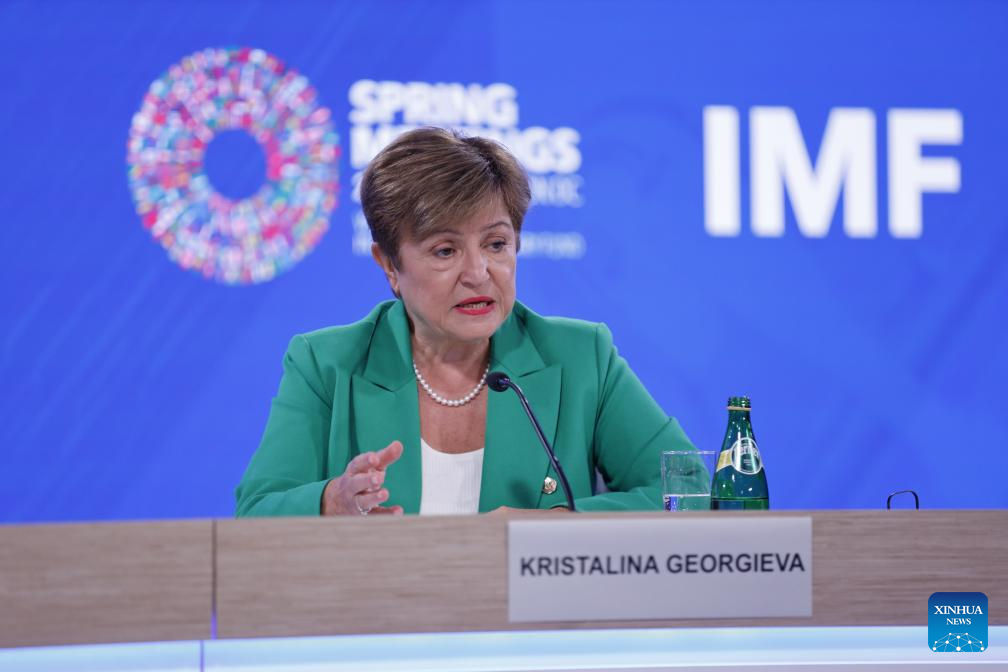
According to Reuters, IMF Managing Director Kristalina Georgieva confirmed that talks will begin soon, signalling renewed engagement after earlier disputes over debt transparency. For Senegal, this comes at a crucial moment, inflation is rising, fiscal space is tightening, and global borrowing costs remain high.
But the bigger story isn’t just about money. It’s about how African countries are rewriting the playbook of economic diplomacy.
Across Africa, governments are walking a tightrope between accessing international finance and protecting their policy space. Senegal’s talks with the IMF represent a broader struggle shared by many developing economies, from Kenya to Ghana, trying to navigate rising debt without surrendering control over domestic priorities.
Senegal’s previous IMF-supported programmes focused on fiscal discipline, transparency, and social spending. However, the conditions of new financing may determine how much freedom the government retains in shaping its national budget and investment strategies.
Critics often argue that IMF programmes risk imposing one-size-fits-all solutions. Supporters, on the other hand, say the Fund’s involvement ensures stability and credibility in times of economic uncertainty. Senegal’s leadership now faces the challenge of striking a balance, attracting much-needed capital while safeguarding national interests.
What happens in Dakar could set a precedent for how international lenders engage with African nations in 2025 and beyond. With many economies still recovering from post-pandemic shocks and climate-related disruptions, financial diplomacy is fast becoming as important as political diplomacy.
Senegal’s negotiations may influence how the continent manages future relationships with global institutions from the IMF and World Bank to new players like the BRICS Bank.
This is more than just a financial deal. It’s a test of trust, transparency, and sovereignty. As Senegal steps into these high-stakes talks, the outcome will echo far beyond its borders offering lessons for every African nation navigating the crossroads of debt and diplomacy.