As Côte d’Ivoire moves toward its October 25 presidential election, the political temperature is rising fast but not in a good way. Reports of opposition repression, arrests, and candidate disqualifications are dominating headlines and worrying observers across Africa.
Among those barred from running are Tidjane Thiam and former President Laurent Gbagbo, two heavyweight figures whose exclusion has sparked anger and protest from their supporters. Civil society groups have raised alarm over what they call a “shrinking democratic space,” as security forces flood the streets of Abidjan and other major cities to deter gatherings.
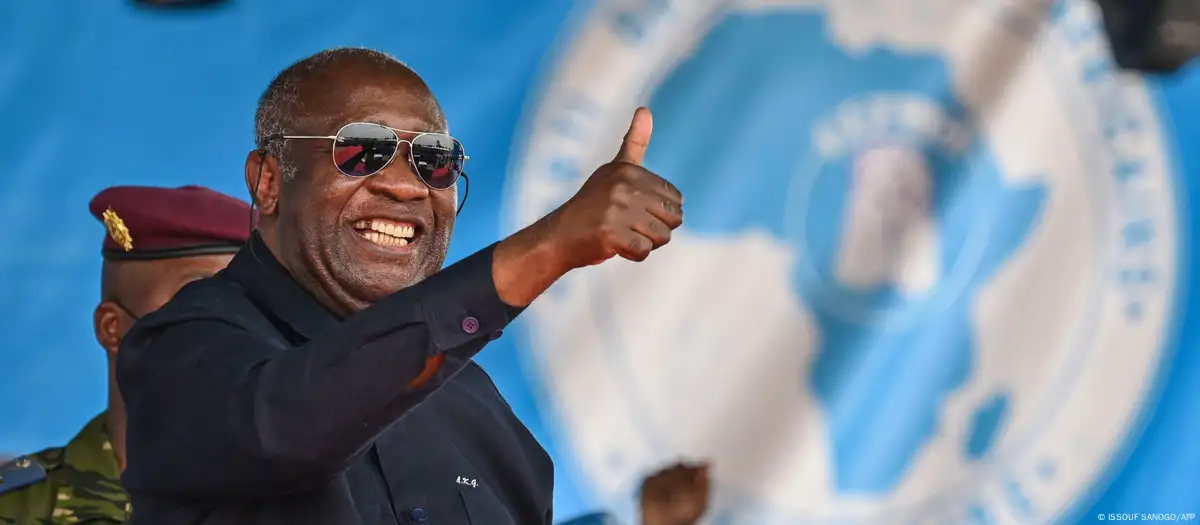
For many Ivorians, this moment feels like déjà vu a reminder of past elections marred by tension and violence. But this time, the stakes are higher. Côte d’Ivoire has been one of West Africa’s economic bright spots, yet beneath the surface lies deep political division and mistrust.
A Wider Pattern in Francophone Africa
Côte d’Ivoire’s situation isn’t isolated. Across Francophone West Africa, democracy seems to be losing its footing. In countries like Senegal, Chad, and Niger, opposition figures have been jailed, media freedom has shrunk, and peaceful protests have been met with force.
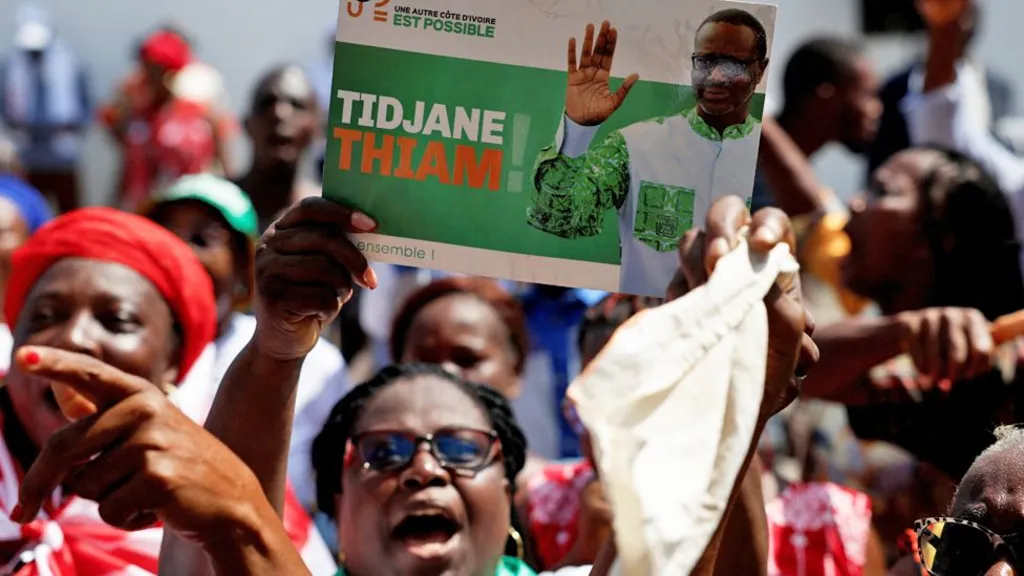
Analysts say these patterns reflect a troubling regional trend, the “normalisation” of restricted democracy, where elections happen, but genuine competition is stifled. It’s democracy on paper, but control in practice.
Beyond the politics, there’s a human cost. Journalists, bloggers, and young activists are finding it harder to speak freely without fear of intimidation. The country’s once-vibrant civil society, known for holding power to account, is increasingly sidelined.
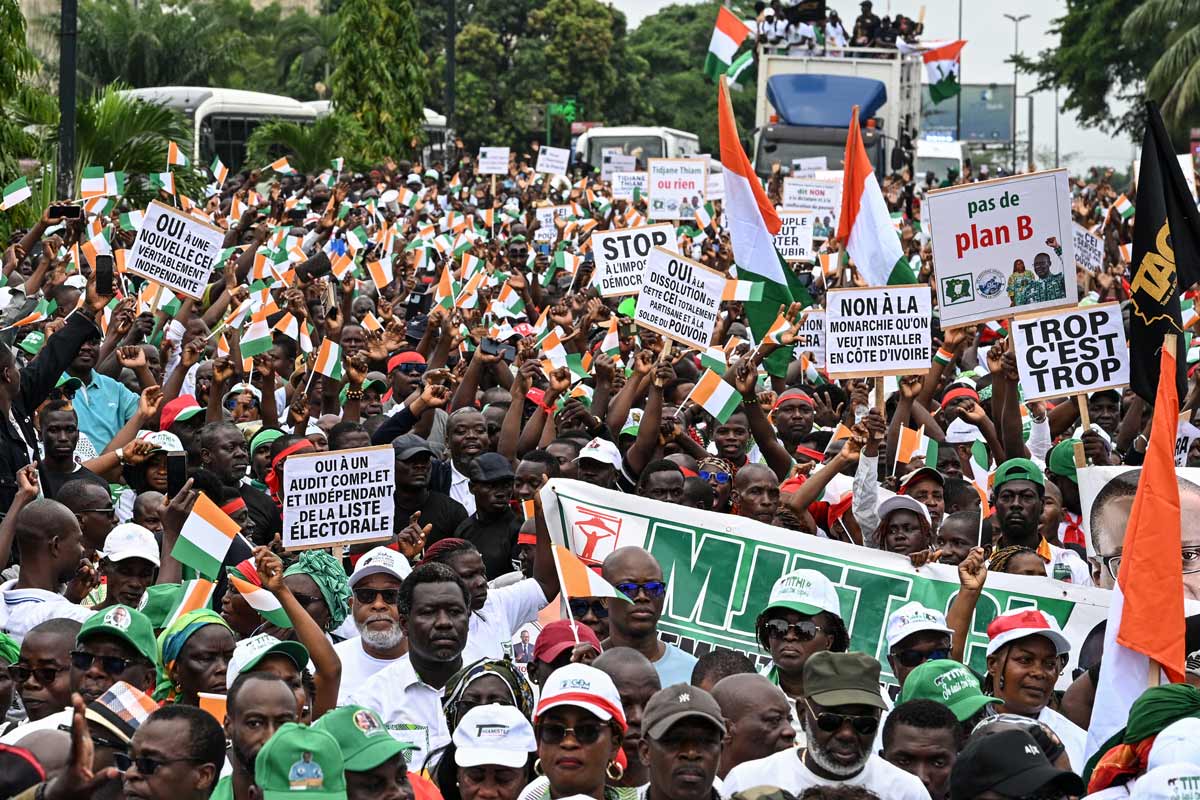
What’s at Stake
Côte d’Ivoire’s elections matter not just for Ivorians, but for the credibility of democracy across Africa. If repression wins over inclusion, it sets a precedent for other leaders watching closely from neighbouring capitals.
The African Union, ECOWAS, and regional partners will need to play an active role in ensuring the vote is peaceful, transparent, and fair. Anything less could unravel years of democratic progress.
For now, Ivorians wait hopeful, anxious, and watching closely.