Africa is about to take a historic step in healthcare and diplomacy. China and Nigeria are working together to build the continent’s first insulin production facility, a move that could transform millions of lives while reshaping global influence in Africa.
For decades, Africa has depended heavily on imported insulin, leaving patients with diabetes vulnerable to shortages and high costs. According to the International Diabetes Federation, more than 24 million people in Africa live with diabetes, and the numbers are rising fast. Yet insulin, discovered more than a century ago, remains out of reach for many. This partnership between Beijing and Abuja could change that.
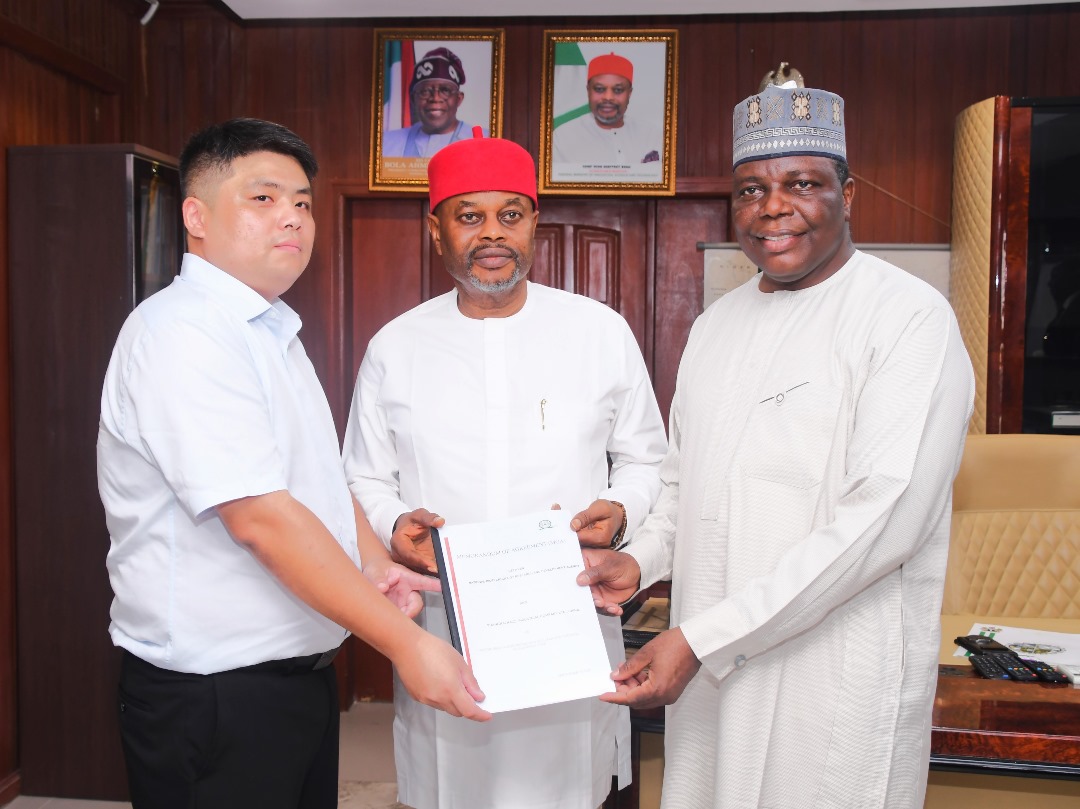
At face value, the project is about saving lives and strengthening Africa’s healthcare system. But it’s also part of a bigger story one of health diplomacy as soft power. By building the first insulin plant in Nigeria, China is positioning itself as more than a trading partner. It’s stepping into Africa’s public health arena, a space long dominated by Western aid and pharmaceutical imports.
This move fits into China’s broader Belt and Road Initiative (BRI) approach: investing in infrastructure, manufacturing, and now biomedical production. For Nigeria, the benefits are clear, reduced dependence on imports, job creation, technology transfer, and a chance to become a regional hub for life-saving medicine.
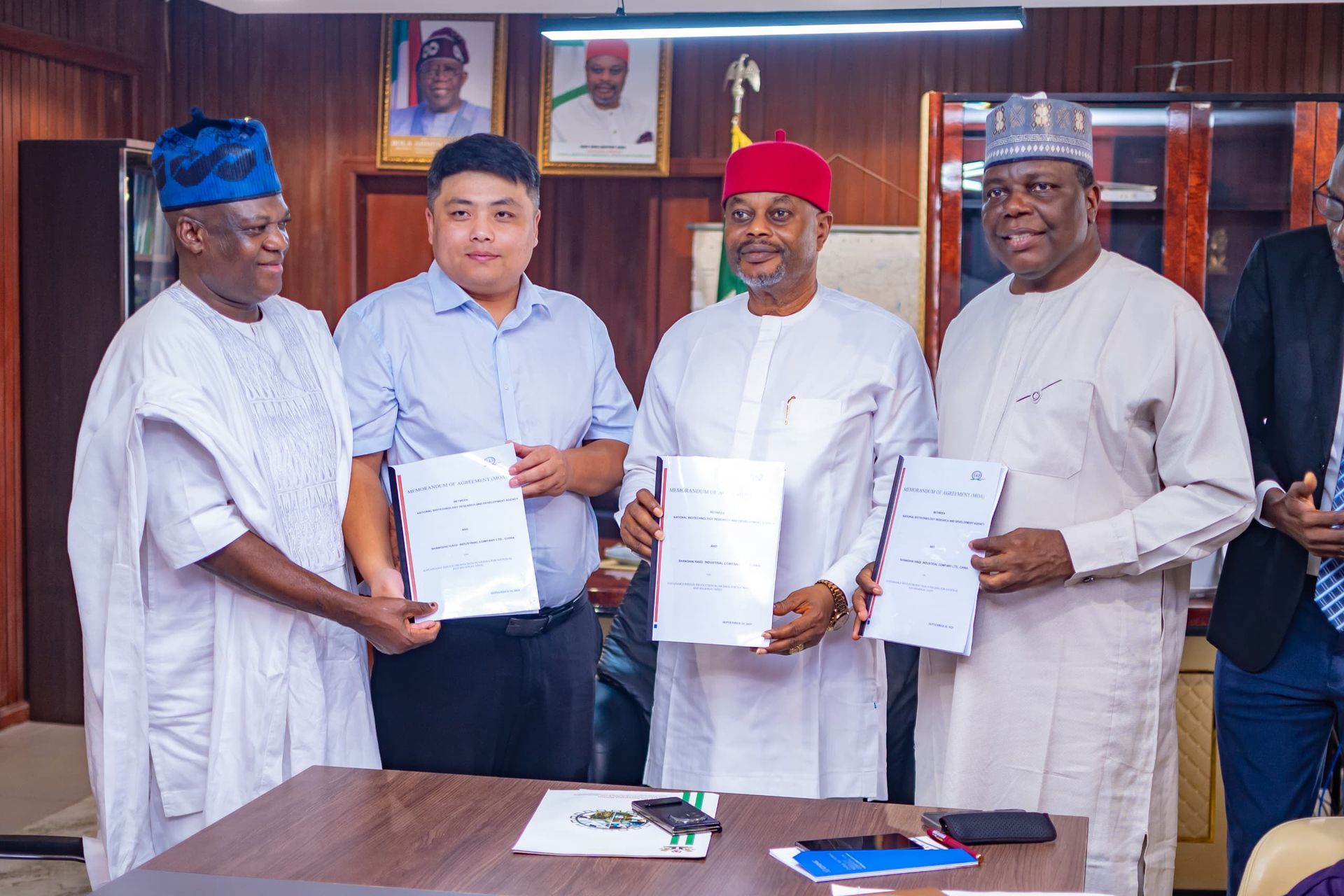
Interestingly, the deal doesn’t stop with healthcare. Reports also suggest that Nigeria is considering certifying China’s C919 passenger aircraft, another sign of deepening cooperation between the two nations. This dual-track engagement, health and aviation, shows that China is weaving a multi-sector relationship with Africa’s largest economy.
Critics argue that such partnerships may increase Africa’s dependency on Chinese investments, raising questions about long-term sovereignty. Is this move about altruism or influence? Probably both. For African countries, the challenge is to balance the urgent need for accessible healthcare with the geopolitical weight that comes with China’s investments.

Still, for millions of Africans living with diabetes, the promise of locally made, affordable insulin is a lifeline. It’s a reminder that diplomacy today isn’t just about borders and trade deals, it’s about who provides the medicine, builds the factories, and earns the trust of the people.
Whether this project is remembered as a triumph of health diplomacy or a case of pharma geopolitics, one thing is clear: the insulin factory in Nigeria marks a turning point. It’s not just about medicine. It’s about power, partnership, and the future of Africa’s place in global diplomacy.