For decades, the story of China in Africa was written in steel and concrete massive dams, sprawling railways, and gleaming skyscrapers. But as we step into 2026, the narrative is shifting from "hardware" to "heartware."
Marking a historic milestone of 70 years of diplomatic ties, 2026 has been officially designated as the "China-Africa Year of People-to-People Exchanges." This isn't just a ceremonial title; it represents a strategic evolution in how the world’s second-largest economy engages with the continent.
The launch: A new tradition in Addis Ababa
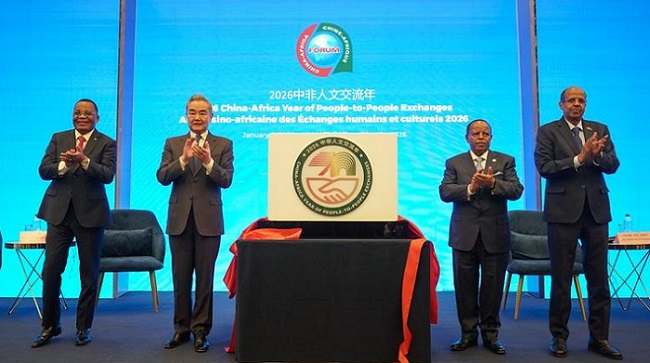
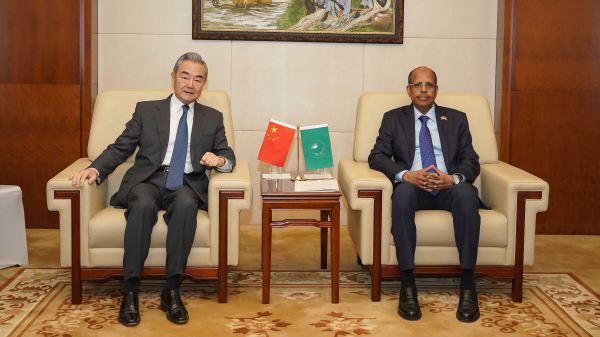
On January 8, 2026, Chinese Foreign Minister Wang Yi stood at the African Union (AU) headquarters in Addis Ababa to pull the curtain back on this ambitious initiative. The choice of venue was symbolic positioning the program not as a series of bilateral deals, but as a continental movement.
President Xi Jinping underscored the importance of the year in a congratulatory letter, noting that the foundation of China-Africa relations has always been its people. By pivoting toward cultural and social ties, Beijing is signaling that the next 70 years will be defined by shared values and "civilizational dialogue."
More than just a handshake: The 600-activity roadmap
If 2025 was about high-level summits, 2026 is about the grassroots. The initiative features nearly 600 activities designed to weave Chinese influence into the daily fabric of African life.
1. The youth vanguard
Beijing is betting big on the "Generation Z" of Africa. The program includes:
- The China-Africa Youth Festival: A flagship gathering for networking and innovation.
- Future Leaders’ Dialogue: Targeted at grooming the next generation of African policymakers and entrepreneurs.
- Wushu Conference: Using martial arts as a bridge for cultural appreciation and physical discipline.
2. Livelihood boosters
Moving away from mega-infrastructure, China is focusing on "small yet beautiful" projects that yield immediate community benefits.
- "100 Medical Teams in 1,000 Villages": This ambitious health drive aims to bring Chinese medical expertise directly to rural doorsteps, bypassing the urban-centric healthcare models.
- Poverty Reduction Study Tours: Inviting African officials to witness China's rural revitalization firsthand.
The underlying strategy: Soft power in a shifting world
Why the shift? Analysts point to a calculated move to deepen soft power. As Western influence faces "fatigue" or retreat in certain regions, China is stepping into the vacuum not just with loans, but with language, medicine, and mentorship.
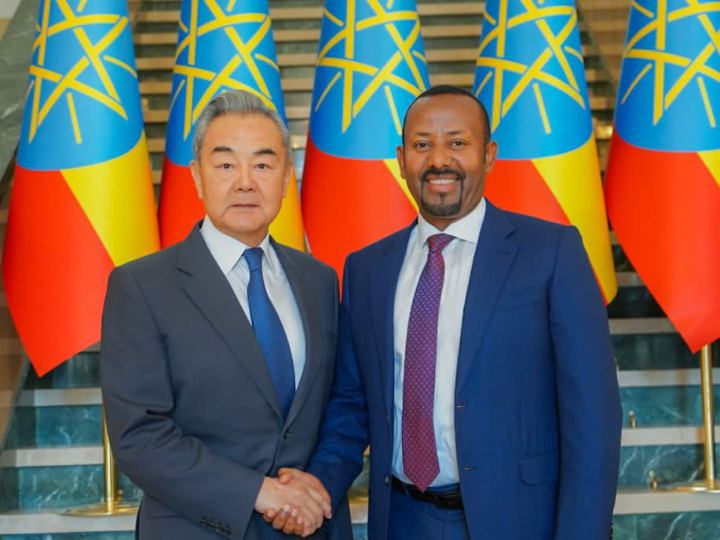
By shaping the education and cultural preferences of African elites and youth, China is securing a long-term seat at the table. It’s a transition from being a builder of roads to a builder of minds.