This week, Somalia and Azerbaijan signed a Memorandum of Understanding (MoU) allowing visa-free travel for holders of diplomatic passports. While it may seem like a small step, it carries big meaning for both nations marking the start of a deeper, more strategic partnership between the Horn of Africa and the Eurasian region.
The agreement reflects a growing trend in Africa’s foreign policy one where states are diversifying partnerships beyond traditional allies in Europe or North America. Instead, African nations like Somalia are looking East, forging ties with emerging economies in Eurasia, the Middle East, and Asia that share similar development goals.
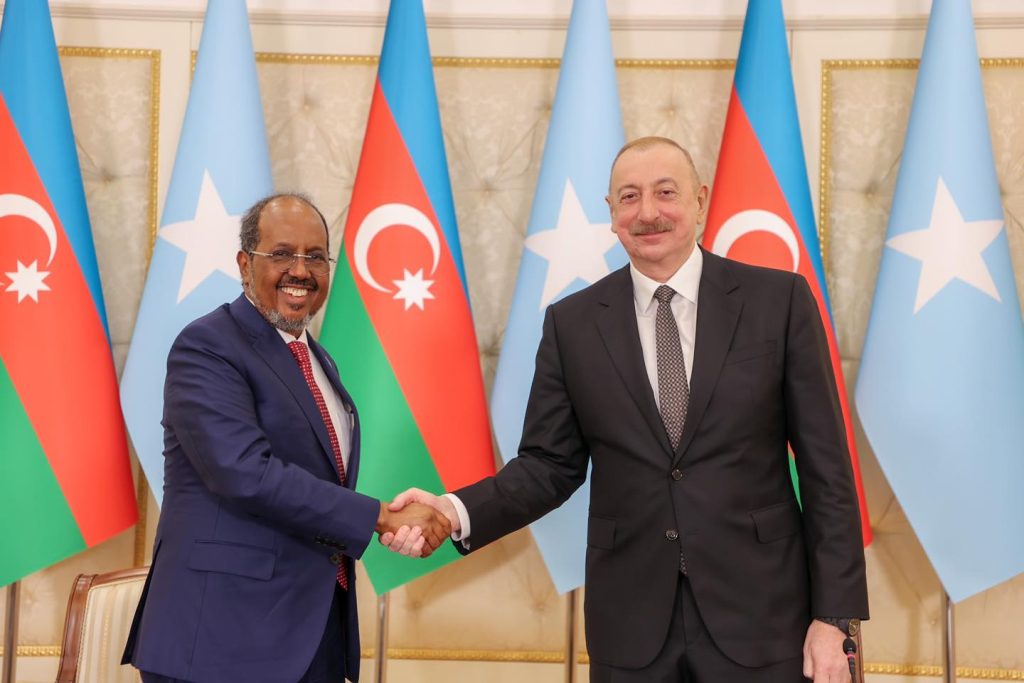
Somali President Hassan Sheikh Mohamud held talks today in Baku with Azerbaijani President Ilham Aliyev
For Somalia, the deal with Azerbaijan opens doors for stronger cooperation in education, trade, and energy, areas where Azerbaijan has vast experience and investment potential. For Azerbaijan, the partnership offers an entry point into the Horn of Africa, a region increasingly important for maritime security and trade routes linking Africa, the Middle East, and Asia.
Experts are calling this new wave of engagement “micro-diplomacy” small, focused agreements that signal big geopolitical shifts. Unlike traditional state visits or multi-billion-dollar deals, micro-diplomacy builds trust step by step.
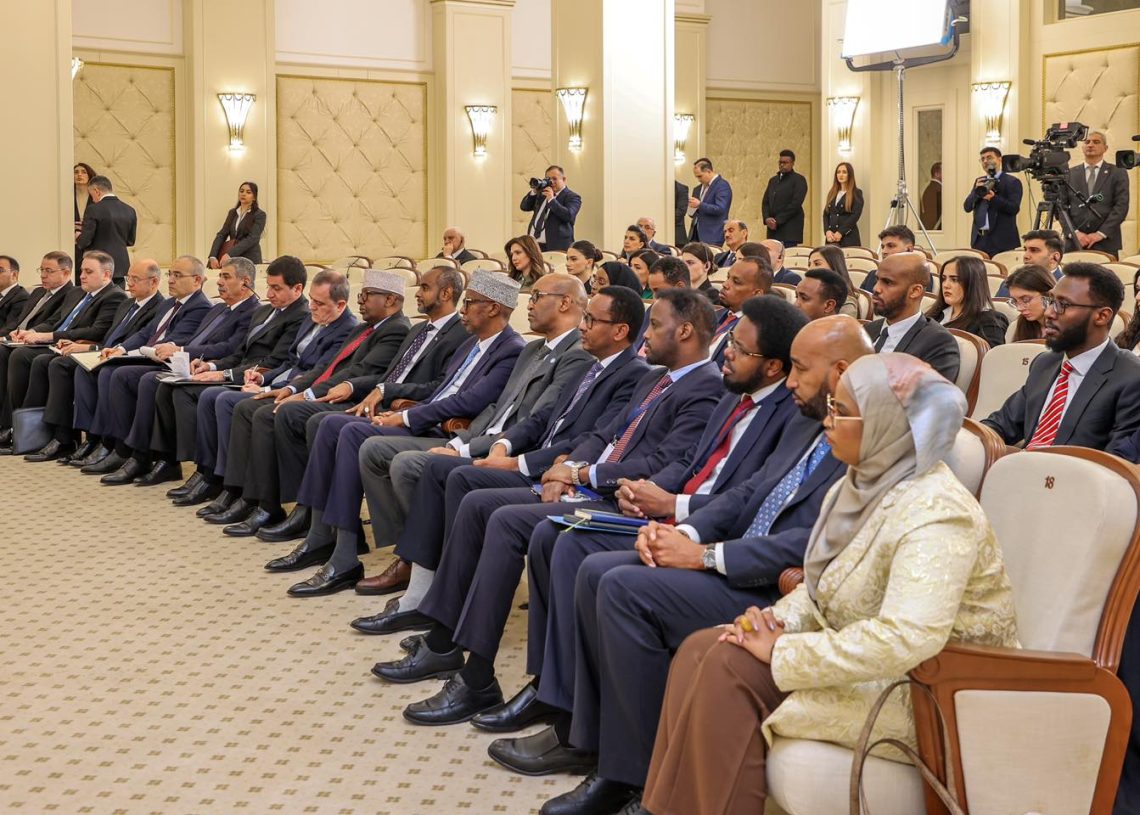
It’s quiet, strategic, and effective the kind of diplomacy that doesn’t shout but moves mountains over time.
Somalia’s move aligns with a broader African trend: nations expanding their global footprints through targeted bilateral relations. From Kenya’s growing ties with South Korea to Ethiopia’s cooperation with Türkiye, Africa’s diplomatic map is being redrawn in real time.
These new partnerships bring fresh investment, shared technology, and a sense of mutual respect showing that Africa is no longer just reacting to global politics but actively shaping it.