A recent Business Insider Africa investigation revealed that four “demilitarised” helicopters exported from South Africa have resurfaced in Libya allegedly in the hands of Khalifa Haftar’s self-styled Libyan National Army (LNA).
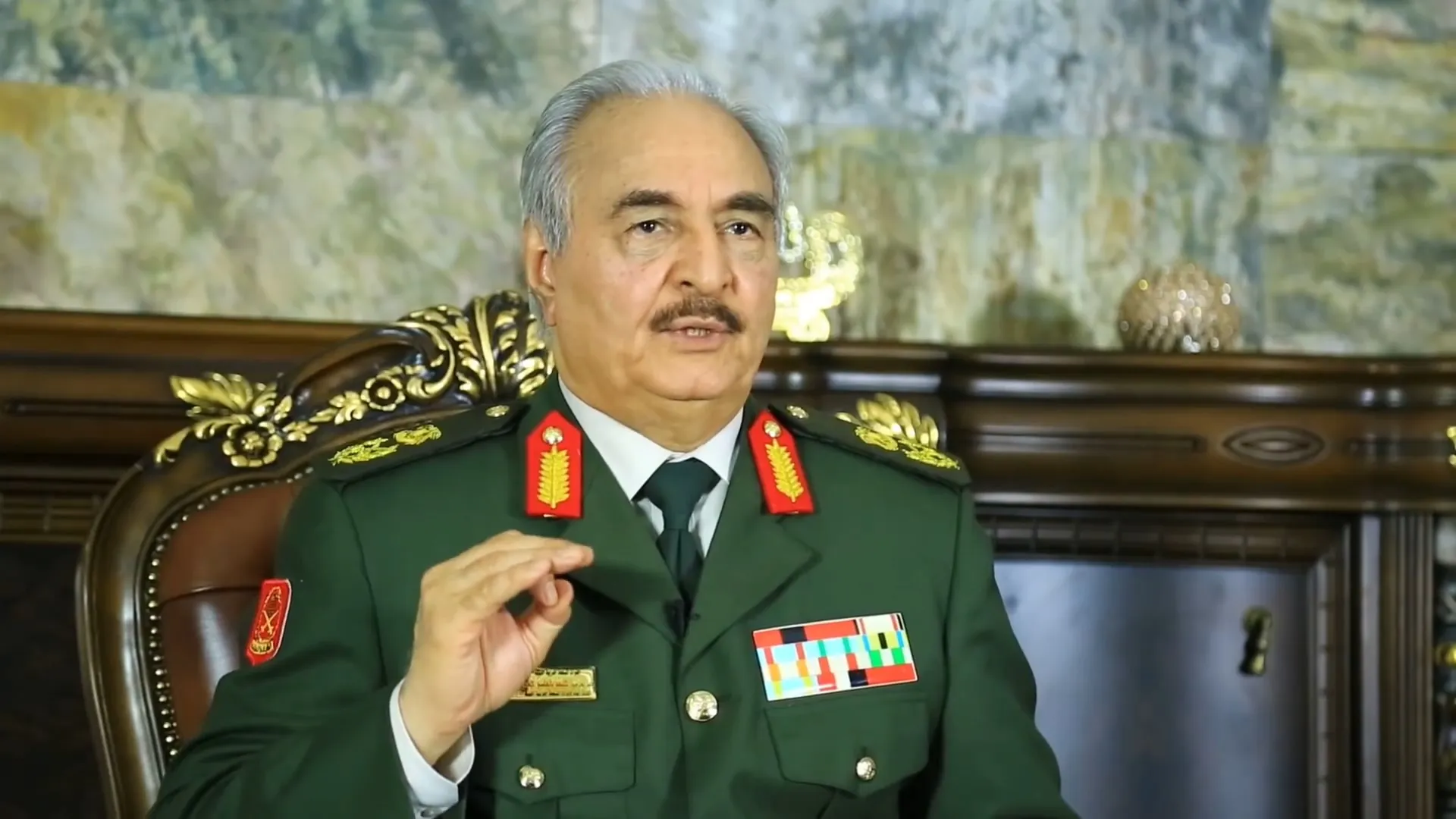
General Khalifa Haftar’s Libyan National Army
The revelation has stirred diplomatic waves, as Libya remains under a United Nations arms embargo since 2011. South Africa’s Department of Defence and the National Conventional Arms Control Committee (NCACC) now face mounting questions over how the aircraft, supposedly stripped of combat capabilities, found their way into one of North Africa’s most volatile conflicts.
This story is more than a defence-export mishap; it’s a test of South Africa’s diplomatic integrity.
Pretoria has long positioned itself as a responsible global actor advocating for peace, mediation, and disarmament. But the Libya helicopter saga risks tarnishing that image and sparking debate about Africa’s role in global arms governance.
Experts warn that weak monitoring and loopholes in export regulations make it easier for “civilian” or “demilitarised” equipment to re-enter conflict zones. The incident underscores how African nations often seen as neutral or peace-focused can still become unintentionally entangled in foreign wars.
For South Africa, a country known for leading peacekeeping missions from the DRC to Sudan, the optics are worrying. Diplomats and analysts fear this could strain Pretoria’s credibility in continental forums like the African Union (AU) and global platforms like the UN Security Council.
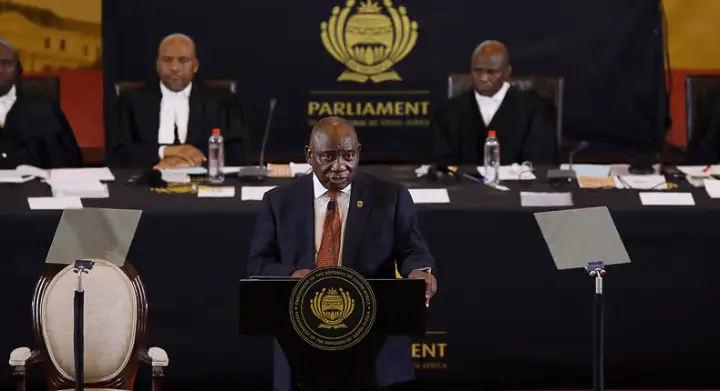
South African President Cyril Ramaphosa
Africa’s growing defence manufacturing capacity is both a source of pride and concern. As local industries expand, so too must oversight and transparency mechanisms. The Libya case shines a spotlight on the need for stronger export-compliance systems, regular audits, and regional cooperation to prevent the misuse of dual-use technology.
This is a crucial moment for African diplomacy: to prove that the continent can trade responsibly while maintaining peace and accountability.
The headline may read “Helicopters in Libya,” but beneath it lies a much larger story about how African states navigate the fine line between economic opportunity and ethical responsibility. South Africa’s next steps will determine whether this incident becomes a minor turbulence or a full-blown diplomatic storm.