For decades, the Western Sahara conflict has cast a long shadow over North Africa’s diplomacy. But now, it seems a new opportunity is knocking and it’s one that Algeria can no longer ignore.
According to The North Africa Post, U.S. officials are preparing to facilitate peace talks between Morocco, Algeria, Mauritania, and the Polisario Front within the next 60 days. This sudden diplomatic acceleration could mark one of the most significant efforts to resolve the Western Sahara issue in recent memory.
At the heart of the talks lies Morocco’s long-standing autonomy proposal a plan that would give Western Sahara self-governance under Moroccan sovereignty. Rabat insists this must be the foundation of any negotiation. For Algeria, which backs the Polisario Front, this poses a serious dilemma: engage and influence the outcome, or refuse and risk deepening its diplomatic isolation.
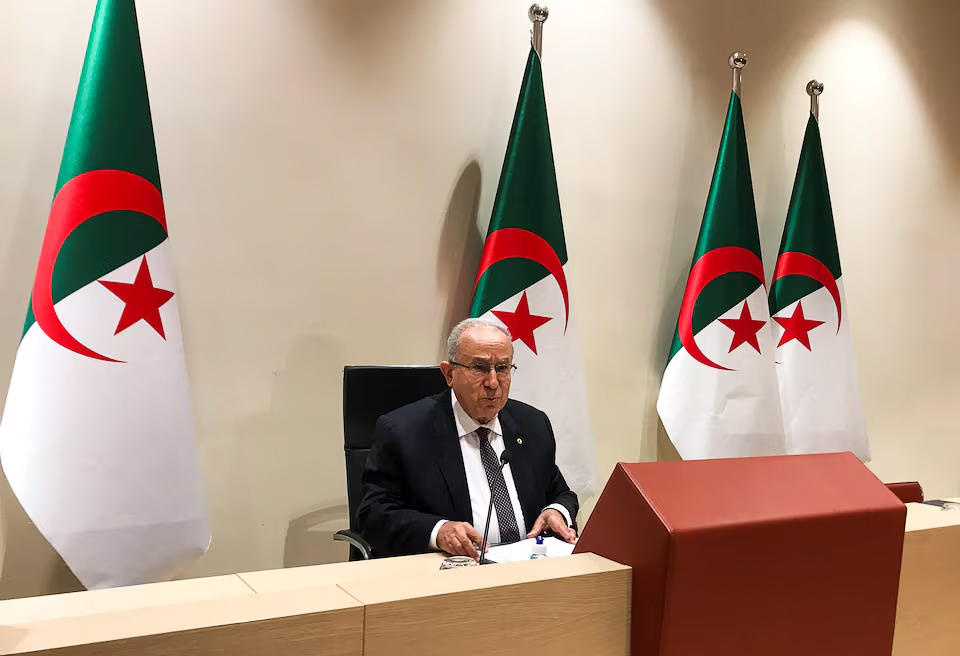
Algeria President, Abdelmadjid Tebboune.
A region under pressure
North Africa’s geopolitical map is shifting fast. With the Sahel in turmoil, Europe’s energy needs evolving, and global powers like the U.S., China, and Russia watching closely, the pressure on Algeria is immense. Its hesitation could cost it valuable partnerships and weaken its voice in shaping the region’s future.
Diplomats are already calling this moment a “diplomatic seismograph” a sign that every small move in Algiers or Rabat could ripple across the continent. A peace breakthrough could unlock new trade routes, strengthen the African Union’s regional influence, and offer a model for conflict resolution led by African and international cooperation.
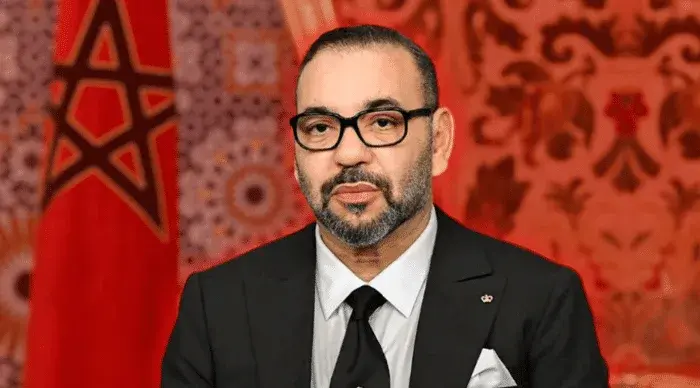
Morocco’s King Mohammed VI
The cost of silence
If Algeria continues to resist dialogue, it risks being seen as out of sync with the new realities of global diplomacy. Regional rivals, including Morocco, are actively building alliances with the EU, U.S., and Gulf states positioning themselves as reliable partners in stability and trade.
The coming 60 days could therefore determine whether Algeria remains on the sidelines or steps into a leadership role in shaping a new North African order.
This is not just a diplomatic negotiation, it’s a test of vision, adaptability, and courage. As deadlines loom, the world is watching to see whether Algeria will choose isolation or influence in the path toward lasting peace.