For months, the diplomatic air between South Africa and the United States felt heavy. Quiet disagreements over foreign policy, accusations of “taking sides,” and funding suspensions had left one of Africa’s most vital health programs hanging in uncertainty. But this week, there’s a new development that could mark a turning point, Washington has agreed to release $115 million in emergency aid to keep South Africa’s HIV programs running through 2026.
According to AP News, the U.S. government’s new funding plan is meant to sustain HIV prevention and treatment efforts for the next six months while a longer-term partnership is renegotiated. This “bridge fund” is part of PEPFAR (the President’s Emergency Plan for AIDS Relief), a program that has saved millions of lives across Africa since 2003.
But behind the goodwill lies a deeper question: Is this purely humanitarian or also diplomatic?
A Reset Wrapped in Aid
The decision to restore funding follows months of tension between Pretoria and Washington over South Africa’s neutral stance on global conflicts and its deepening economic ties with BRICS partners like China and Russia. Analysts suggest that the new aid release signals a “soft power reset” an effort by both governments to rebuild trust without public confrontation.
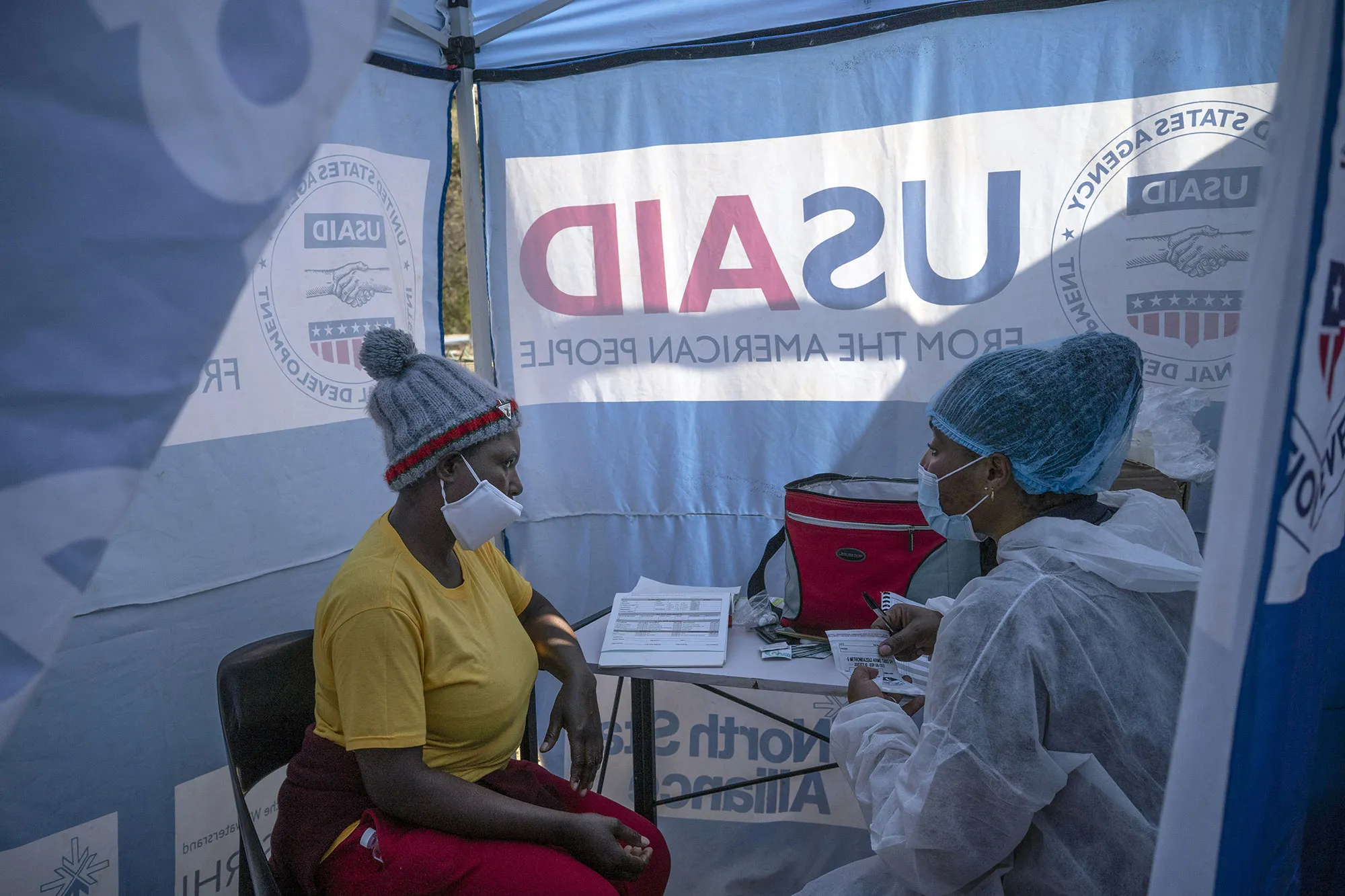
For South Africa, the funds are a lifeline. The country has one of the largest HIV treatment programs in the world, supporting over 5 million people. Any funding gap could have been disastrous, especially for community clinics that depend on consistent medical supply chains and testing programs.
For the U.S., the move reinforces its long-standing image as a global health leader while also reasserting diplomatic influence in Southern Africa, a region increasingly shaped by multipolar partnerships.
Beyond the Dollars
This new chapter in U.S.–South Africa relations shows how aid and diplomacy often go hand in hand. Money may fund health programs, but it also carries a message: partnership, influence, and sometimes quiet negotiation.
Whether this marks a full reset or just a pause in tensions remains to be seen. What’s clear is that both nations recognize the stakes
millions of lives depend on cooperation that goes beyond politics.