As the clock ticks toward the September 2025 expiry of the African Growth and Opportunity Act (AGOA), the mood in African capitals is one of urgency and resolve. Across the continent, governments are stepping up diplomatic engagement with Washington to shape the future of this pivotal trade framework.
Since its introduction in 2000, AGOA has offered duty-free access to the U.S. market for thousands of African products, spurring industries from textiles in Lesotho to horticulture in Kenya. Yet with the legislation set to lapse, the question now is not only whether it will be renewed, but under what conditions and how those conditions could redefine Africa’s economic leverage in the years ahead.
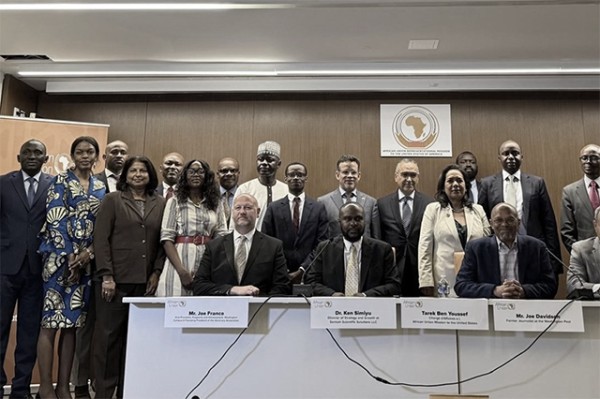
African leaders are making it clear that renewal must come with reforms. Key demands include:
- Longer-term certainty: Many governments argue that short-term extensions create instability for businesses and discourage investment.
- Wider product coverage: Calls are mounting for an expansion beyond raw materials and textiles to include processed goods that drive industrial growth.
- Less restrictive conditionalities: With Washington hinting at tighter oversight tied to defense and security legislation, some states fear that trade access may be politicized.
This lobbying reflects Africa’s growing diplomatic maturity. Trade is no longer just an economic matter; it is being wielded as a tool of foreign policy, a bargaining chip to secure fairer terms in an increasingly multipolar world.
The structure of the renewed AGOA could reshape economic fortunes across the continent. Countries with diversified export bases like South Africa, Kenya, and Ethiopia stand to benefit most if access is broadened. Meanwhile, smaller economies risk being sidelined if requirements become too stringent. The “rules of origin” clauses, defining how much of a product must be locally produced to qualify, are particularly contentious, as they can either boost or constrain Africa’s industrialization goals.
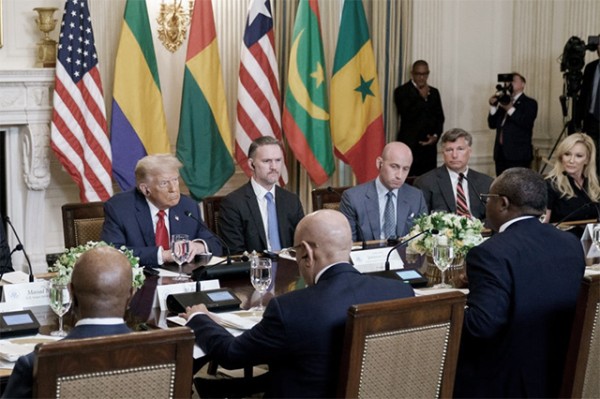
The urgency is not lost on either side. For Washington, renewing AGOA is also about countering the growing footprint of China and Russia in Africa. For Africa, it is about ensuring that trade deals reflect its development priorities rather than external agendas.
With negotiations intensifying in the coming weeks, AGOA’s fate will test the continent’s diplomatic clout. Will African states secure a deal that empowers their industries, or will the renewal reinforce old asymmetries in global trade?
One thing is certain: September 2025 marks more than a deadline. It is a defining moment in Africa’s pursuit of economic sovereignty through diplomacy.
Sources: