September 1, 2025, marked a symbolic moment for Africa’s institutional diplomacy and leadership renewal. On the same day, two events unfolded that underscore how Africa is steadily investing in leadership and institutional strength as tools for development: the swearing-in of Sidi Ould Tah as the new President of the African Development Bank (AfDB) and the opening of Ghana’s Conference of Heads of Mission.
Both milestones reveal a continent not just grappling with immediate challenges but also deliberately shaping the future through strategic leadership and diplomacy.
A new chapter at the AfDB
Sidi Ould Tah’s election and formal assumption of office as the first Mauritanian to head the AfDB is more than a personal achievement, it is a continental signal. By securing an overwhelming mandate of 76.18% of votes earlier this year, Tah steps into a role that blends finance with diplomacy. Development banks are not just lenders; they are arbiters of trust, cooperation, and long-term vision.
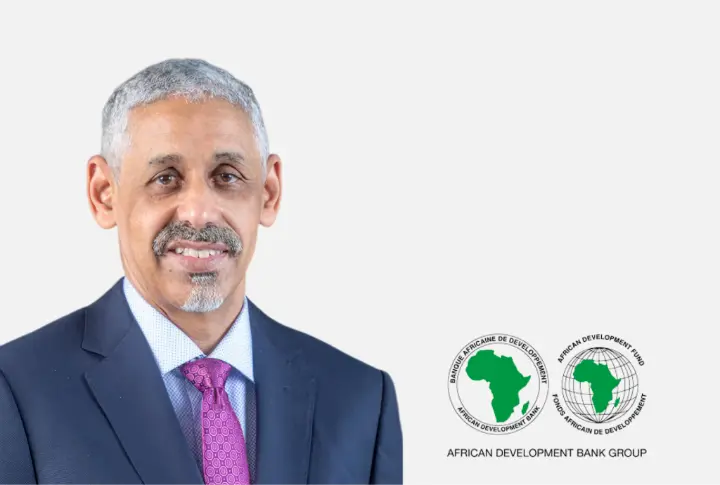
Tah’s leadership arrives at a time when Africa faces a delicate balancing act: financing ambitious infrastructure and green energy projects while cushioning nations against debt pressures. His presidency symbolizes a fresh opportunity for institutional diplomacy where financial policy aligns with regional solidarity and integration.
Ghana’s diplomatic reset
Meanwhile, in Accra, Ghana has convened its Conference of Heads of Mission under the theme “Harnessing the Dividends of Diplomacy for Ghana’s Reset Agenda.” This initiative represents a bold commitment to strengthen Ghana’s diplomatic machinery by equipping its envoys with performance-based KPIs and aligning them with national priorities.
Such efforts highlight how diplomacy is no longer abstract negotiation behind closed doors; it is a measurable, results-driven enterprise. By treating diplomacy as an investment, requiring accountability, evaluation, and innovation, Ghana is setting a precedent for institutional reform that could inspire other African states.
The bigger picture: Building institutions that last
What links these two developments is a shared understanding: leadership without strong institutions cannot carry the weight of Africa’s aspirations. Whether it is the AfDB providing financing or Ghana reforming diplomatic practice, the essence lies in building sustainable systems that outlive personalities and political cycles.
In an era where conflict and instability often dominate headlines, these quieter stories of institutional strengthening deserve attention. They remind us that Africa’s progress is not only measured by GDP growth rates or peace accords but also by the resilience of its institutions and the vision of its leaders.
As Tah begins his presidency at the AfDB and Ghana redefines its diplomatic agenda, Africa offers the world a lesson: sustainable development requires not just ambition but also the patience to build and invest in leadership and institutions that endure.