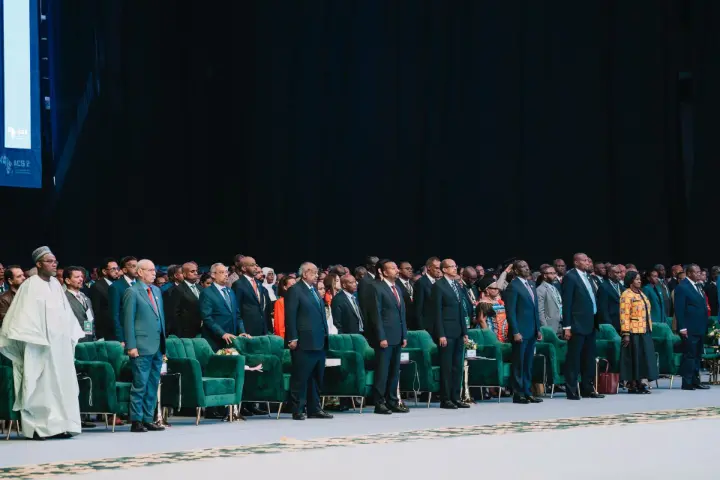
This week in Addis Ababa, African leaders gathered for a landmark climate summit and unveiled a bold initiative: a plan to raise US$50 billion annually to fund climate solutions across the continent. The announcement has sparked optimism, questions, and even some scepticism.
The figure is not arbitrary. Africa is already grappling with the disproportionate effects of climate change, droughts, floods, food insecurity, and displacement. In the Horn of Africa alone, millions of farmers are watching their crops fail due to consecutive years of drought, while in Mozambique and Malawi, floods have displaced thousands, destroying homes and livelihoods. The $50 billion target represents not just a funding goal but a lifeline for a continent that contributes less than 4% of global emissions yet bears some of its heaviest consequences.
The Funding Puzzle
Raising $50 billion each year will require a combination of domestic resource mobilisation, private sector engagement, and international partnerships. Historically, Africa has struggled with unmet climate finance pledges. The much-publicised $100 billion per year promise from developed nations remains only partially fulfilled, leaving deep mistrust. Against that backdrop, African leaders are keen to show they can chart their own path rather than wait for handouts.
Still, accountability and disbursement mechanisms will be key. Experts suggest that transparent governance structures, regular reporting, and regional oversight bodies will be needed to ensure funds reach the communities that need them most. Countries such as Kenya, South Africa, and Morocco, already leaders in renewable energy, could serve as models for managing climate funds effectively.
Diplomacy on the Global Stage
Beyond the money, this initiative is a diplomatic statement. Africa is positioning itself as a proactive climate leader ahead of COP30. With the United States retreating from some of its climate commitments and Europe distracted by its own energy challenges, African leaders are seizing the moment to push a new narrative: Africa is not just a victim of climate change, but a central player in the solution.
By presenting a united front, African nations aim to strengthen their bargaining power in global negotiations. If successful, the initiative could shift the balance of climate diplomacy, forcing wealthier nations to engage with Africa not out of charity but as equal partners in a global effort.
A Critical Test
The Addis Ababa summit’s pledge is both inspiring and daunting. The next step will be moving from ambitious declarations to practical frameworks that attract investment, guarantee transparency, and deliver results on the ground.

Africa’s climate story is unfolding in real time, and the question is no longer just whether funds will be raised, it is whether they will reach the people whose lives hang in the balance. Farmers in the Horn, families in flood zones, and communities across the continent are waiting. It’s time for leaders, investors, and citizens alike to turn bold words into meaningful action.