Johannesburg, South Africa – November 23, 2025
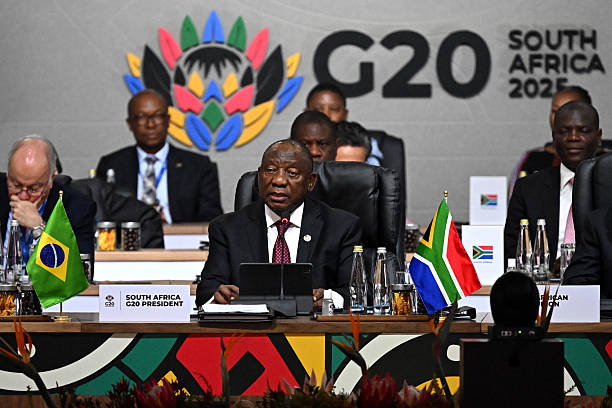
For the first time in history, the G20 Leaders’ Summit was hosted on African soil, a defining moment for both South Africa and the continent. As the curtains closed in Johannesburg, President Cyril Ramaphosa hailed the event as a “victory for multilateralism and a renewed voice for the Global South.”
A declaration for inclusive global growth
The G20 Leaders adopted a far-reaching declaration aimed at reshaping the global economic order to be more inclusive and equitable. The document prioritizes inclusive global growth, debt relief for developing nations, climate resilience, and Africa’s industrial transformation.
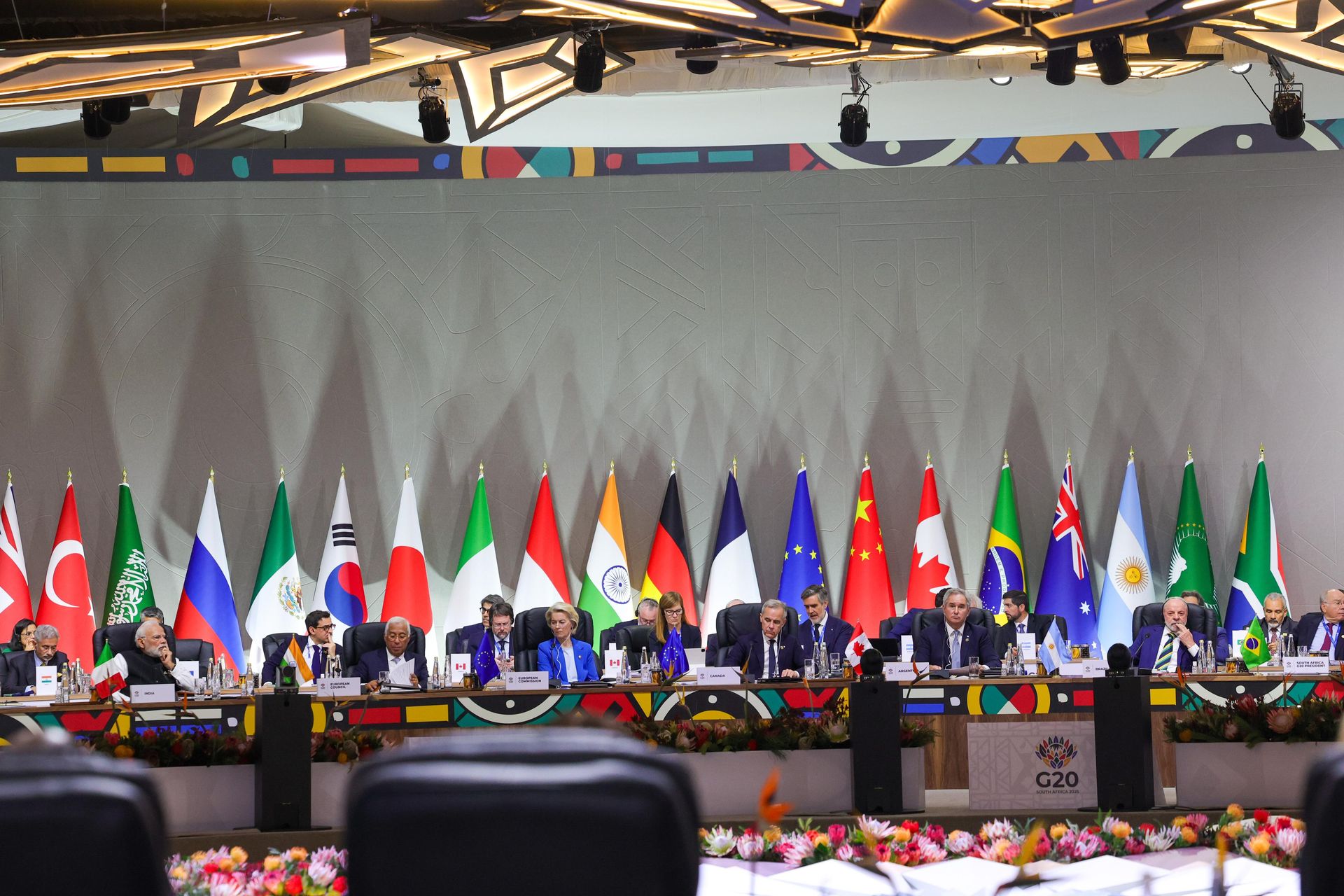
Leaders agreed on the urgent need to reform international financial systems, long criticized for favouring wealthy economies. The declaration also calls for new mechanisms to support sustainable development financing, with particular emphasis on energy transition, infrastructure, and digital innovation in the Global South.
US boycott overshadows the summit
Despite the diplomatic success, tensions flared following the United States’ decision to boycott the summit. Washington accused South Africa of “systematic discrimination” against its white minority, a claim Pretoria has strongly rejected as politically motivated.
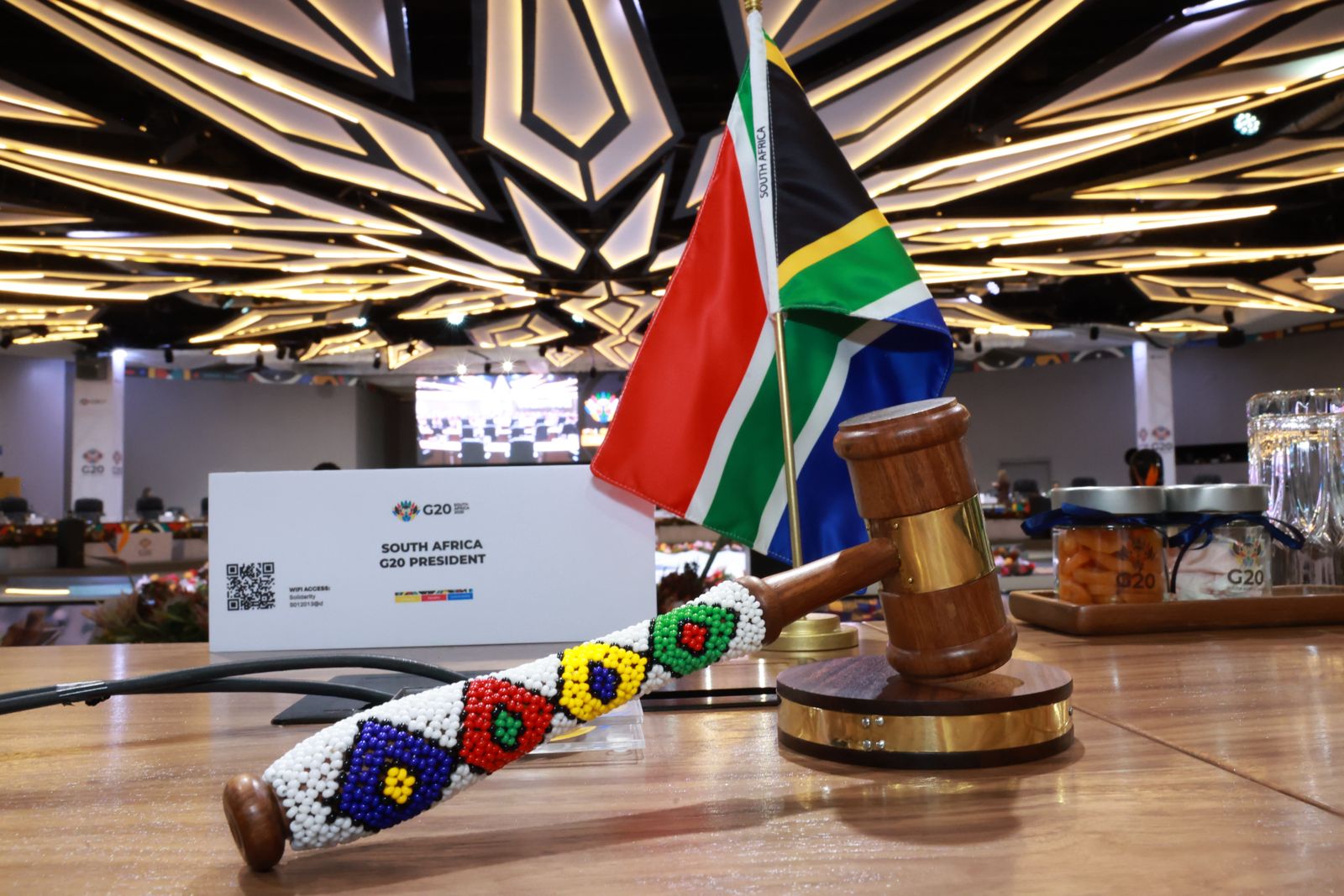
The standoff escalated when South Africa declined to accept a junior US embassy official for the ceremonial handover of the G20 presidency to the United States, describing the move as “inconsistent with diplomatic protocol.” Analysts say the boycott underscores the widening rift between Western powers and emerging economies over issues of representation and global governance.
Africa’s priorities take centre stage
For many African leaders, Johannesburg was more than a symbolic milestone, it was a strategic platform to redefine the continent’s place in global affairs.
President Ramaphosa, joined by leaders from Kenya, Nigeria, Egypt, and Senegal, highlighted Africa’s priorities:
- Equitable trade in critical minerals, ensuring local value addition rather than raw exports.
- Responsible governance of Artificial Intelligence (AI), calling for Africa’s inclusion in setting global standards.
- Investment in green and digital industries, to drive youth employment and sustainable growth.
In his closing remarks, President Ramaphosa stated, “This summit has shown that Africa is not a bystander in shaping the world’s future. We are equal partners in building a fairer, greener global economy.”
A new chapter for global south leadership
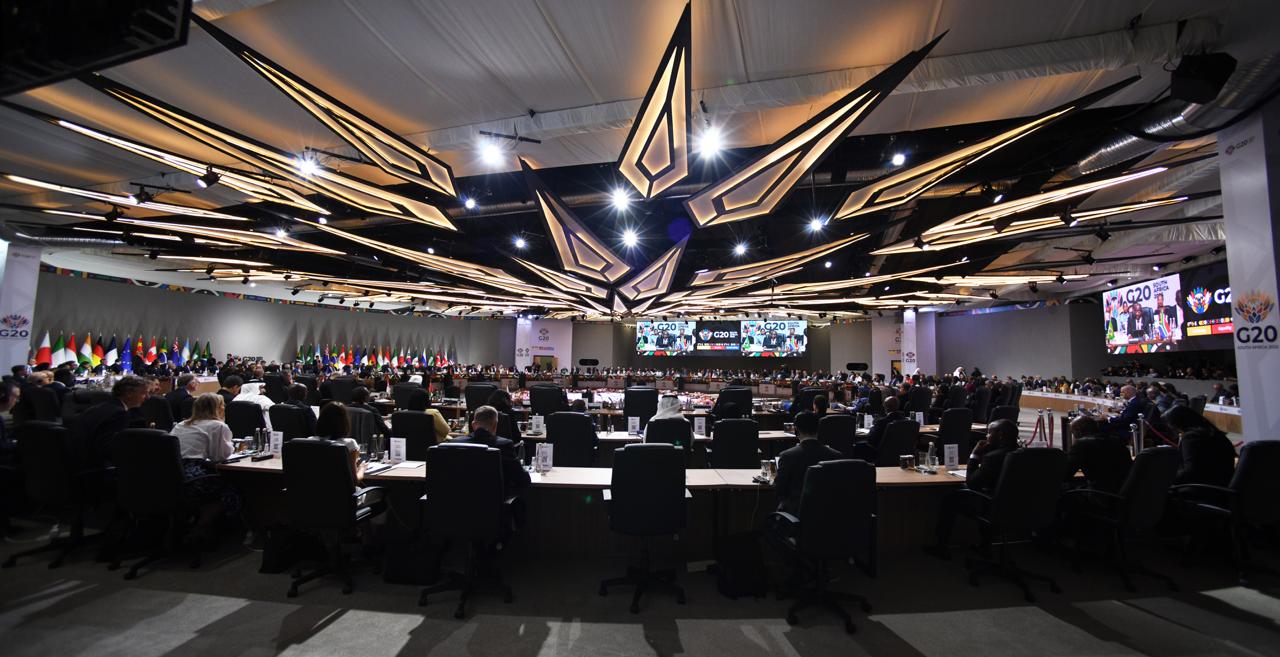
The 2025 Johannesburg Summit will likely be remembered as a turning point where Africa’s voice grew louder in global decision-making halls. While geopolitical tensions remain, the adoption of a unified declaration despite deep divides demonstrates renewed commitment to dialogue over division.
As South Africa hands over the G20 presidency amid controversy, one thing is clear: the Global South’s demand for equity, respect, and reform can no longer be ignored.