When African leaders, business players, and global partners gathered in New York last week for Unstoppable Africa 2025, the conversation was not just about ambition, it was about survival in a shifting global economy. From trade and investment to climate and debt, Africa’s place in the world’s economic future is under real pressure.
One hot topic was the EU’s Carbon Border Adjustment Mechanism (CBAM), a new tariff system that puts a price on carbon-heavy exports like cement, steel, and fertilizers. While Europe says it’s about fighting climate change, for many African economies it feels like another hurdle to competitiveness. Imagine a small exporter of steel from Nigeria suddenly having to prove its carbon footprint against European standards, the costs could be crippling.
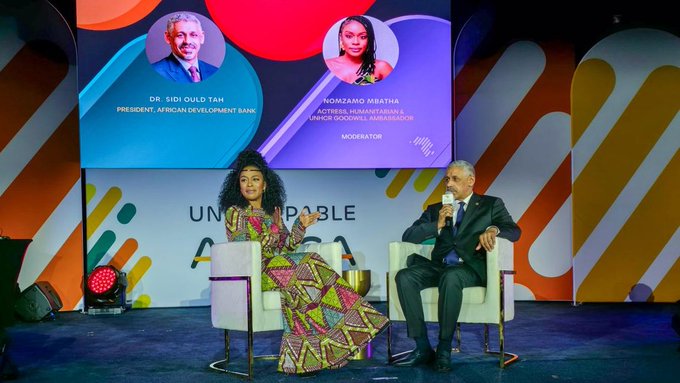
This is why Unstoppable Africa 2025 (21–22 September, Global Africa Business Initiative) became more than a networking forum. It was a platform where African leaders argued for fairness: “If we are going to green our industries, we need finance, technology, and time, not penalties.”
At the same time, African delegations at UNGA 80 raised the link between debt, climate, and development. Many countries are paying more on interest than they are on health or education. Add climate shocks, drought in the Horn of Africa, floods in West Africa and the bills keep piling up. The demand was clear: global finance systems must step up with fresh mechanisms, from concessional loans to debt swaps tied to climate projects.
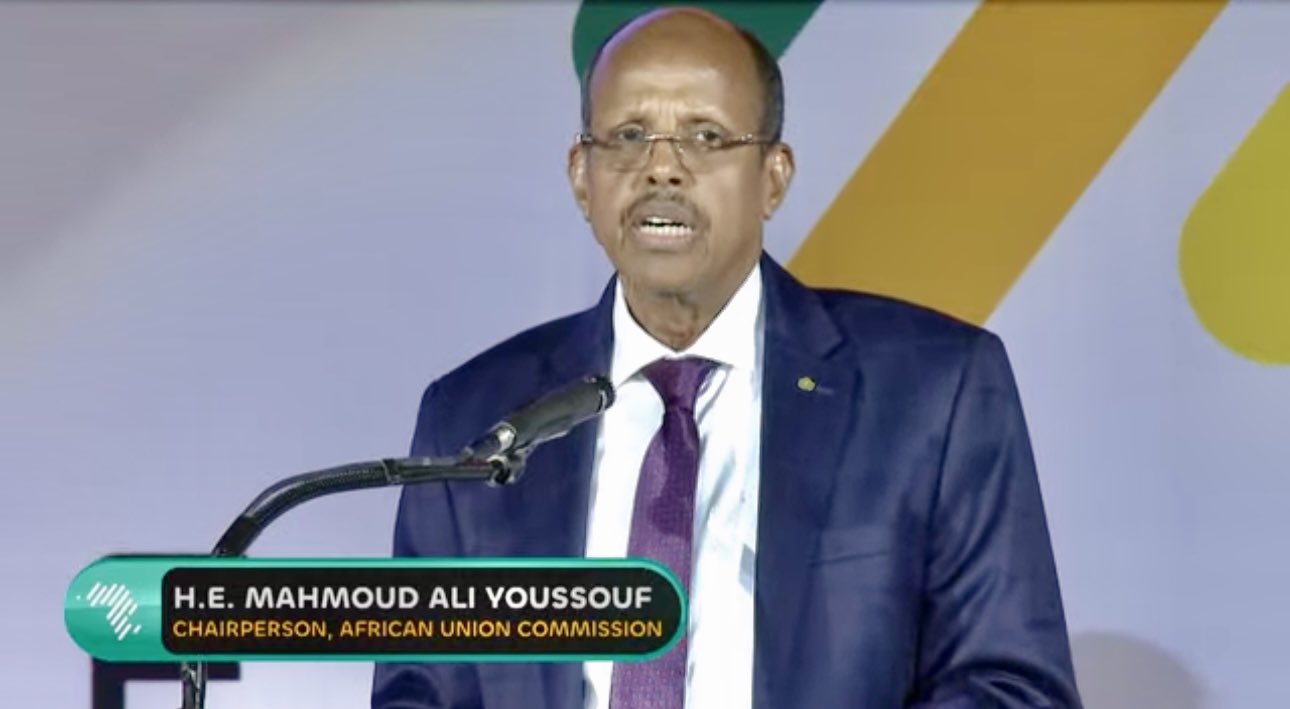
So, what’s next? There are signs of hope. Multilateral banks are talking about new debt-relief tools. African businesses are exploring green manufacturing and renewable energy to stay competitive under CBAM rules. And the Mission 300 initiative, aiming to bring electricity to 300 million Africans, was showcased as a game-changer for both development and trade.
Still, the message from New York was urgent: without real reforms, Africa risks being left behind in the global trade reset. The continent cannot pay off debt, fight climate change, and build competitive industries on its own.
For now, one thing is certain - Africa’s leaders are no longer asking politely. They are setting the agenda: fair trade, climate justice, and a financial system that works for everyone.