At the United Nations this week, forty nations delivered a powerful message of unity by reaffirming their support for Morocco’s sovereignty over the Sahara provinces. The collective declaration marks one of the most decisive moments in the long-running Sahara dispute, underscoring both Africa’s growing role in shaping international diplomacy and the shifting balance of alliances within the UN system.
For decades, the Western Sahara question has remained one of the most sensitive issues on the UN’s agenda, often pitting Morocco against the Polisario Front and its allies. While the dispute is rooted in history and self-determination debates, the recent show of support demonstrates how regional alliances are increasingly consolidating around Morocco’s vision of autonomy for the Sahara.
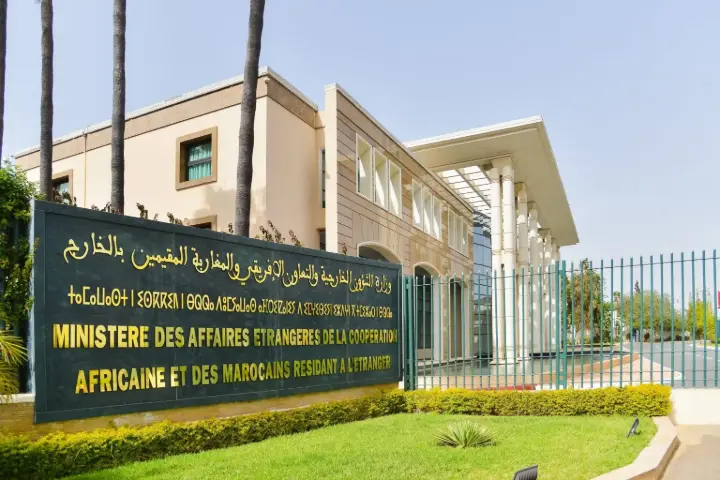
This diplomatic wave has significant implications. First, it strengthens Morocco’s hand at the United Nations Security Council (UNSC), where discussions on the Sahara often shape peacekeeping mandates and influence international opinion. With forty countries now firmly behind Rabat, it becomes harder for opposing voices to press for alternatives outside Morocco’s autonomy plan.
Second, it highlights Africa’s determination to lead on its own regional challenges. By mobilizing African, Arab, and global partners, Morocco is presenting the Sahara issue not as a frozen conflict, but as a question of sovereignty and regional stability.
Beyond UN halls, the declaration also reflects broader geopolitical shifts. International actors increasingly prioritise stability, trade, and counterterrorism across the Sahel and North Africa. Morocco, widely seen as a stable regional anchor,is positioning itself as a natural partner in these efforts. For Central and West African nations, aligning with Morocco is also about securing investment, infrastructure partnerships, and stronger security cooperation.
Critics argue that the issue of Sahrawi self-determination remains unresolved. Yet the growing bloc behind Morocco suggests that the pathway forward must be realistic, pragmatic, and rooted in cooperation rather than prolonged stalemate.
The Sahara has long been seen as a diplomatic fault line, but today’s developments suggest a new chapter, one where African voices take the lead, alliances evolve, and sovereignty diplomacy sets the tone for future negotiations.
As forty nations stand together, the message is clear: the future of the Sahara may not be decided in isolation but through the collective momentum of today’s diplomacy.
Sources:
- Morocco World News – Central Africa Leads Way as 40 Countries Back Morocco’s Sahara Sovereignty
- United Nations Security Council – Western Sahara Reports