When South Africa’s Minister of International Relations and Cooperation, Ronald Lamola, said there were “positive vibes” from Washington about renewing the African Growth and Opportunity Act (AGOA), it wasn’t just diplomatic talk it was a statement about Africa’s changing place in global trade.
Speaking at the Financial Times Africa Summit 2025 in London, Lamola confirmed that talks between South Africa and the United States are progressing well and that both sides are eager to see the deal revived. According to Reuters, US Congress members have shown strong support for extending AGOA, which expired in September 2025.
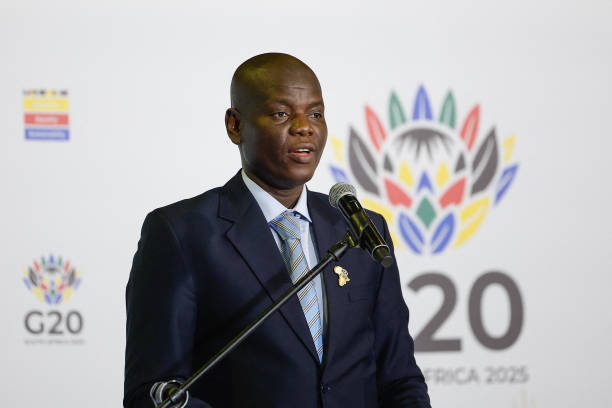
The African Growth and Opportunity Act, launched in 2000, allows eligible Sub-Saharan African countries to export to the US duty-free. This trade framework has boosted African exports in textiles, agriculture, and automotive products. For South Africa alone, AGOA has supported thousands of jobs and increased access to the American market.
But beyond the numbers, AGOA represents a bridge of trust and partnership between Africa and the US. In a time when the world is redefining alliances, with Africa increasingly engaging with BRICS nations like China, India, and Russia, renewing AGOA shows that Africa can balance East and West diplomacy effectively.
Lamola’s remarks also come as South Africa prepares for its G20 presidency in 2025, giving it a powerful platform to shape global trade narratives. A renewed AGOA would reinforce Africa’s role not just as a trading bloc, but as a strategic partner in shaping global economic policy.
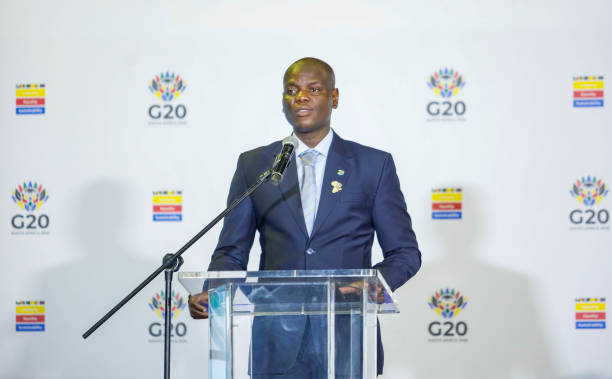
If Congress approves the renewal, it will send a powerful signal: that Africa’s trade relationship with the US remains strategic, not symbolic. It would also help counterbalance narratives that Africa’s future lies solely with Asian economies.
Renewing AGOA could mark a turning point one where African nations negotiate not from dependency but from diplomatic confidence and economic strength.
As Lamola aptly put it, Africa is no longer waiting on the sidelines. It’s actively manoeuvring in the global trade arena and this time, the world is watching.