For years, Africa has been seen through a narrow lens of aid, risk, and crisis management in Western capitals. But that narrative is changing fast and Germany is being urged to catch up.
According to the Sub-Saharan Africa Initiative of German Business (SAFRI), Berlin must make a “decisive shift” in how it engages with Africa. The group which represents German companies investing across the continent wants a new model that treats African nations as equal partners, not just aid recipients or markets for exports.
“We need to move from a risk-based to a partnership-based mindset,” SAFRI said in a statement on October 15, 2025, calling for stronger trade, industry, and innovation ties between the two regions.
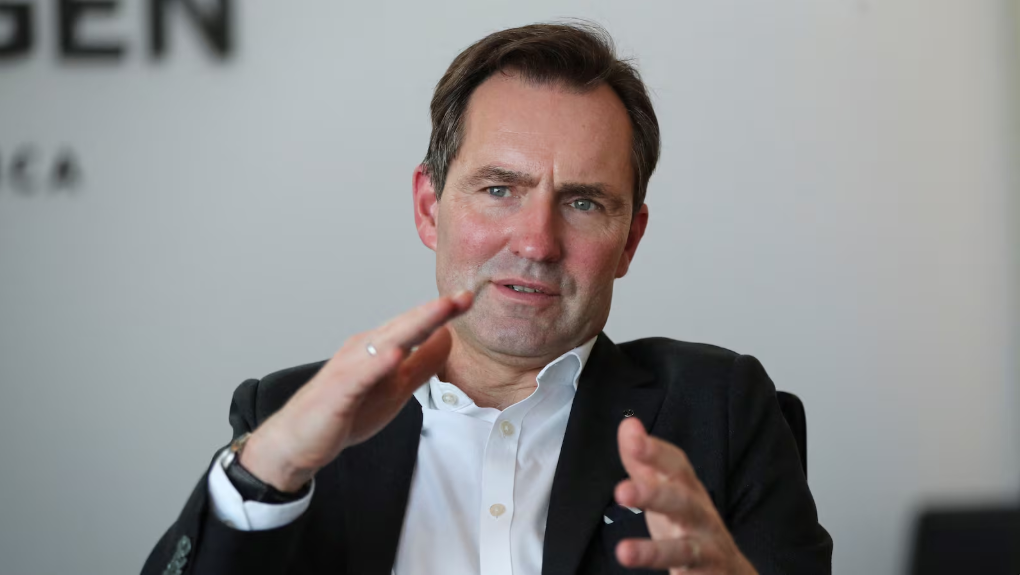
Sub-Saharan Africa Initiative of German Business chair Thomas Schaefer. Photo by Sumaya Hisham.
What SAFRI Is Proposing
The business alliance is pushing for legally binding raw materials agreements that ensure fair access to Africa’s vast natural resources while giving African nations more control and profit over their own commodities.
It also wants Germany to:
- Invest deeper in African industries through joint ventures and manufacturing partnerships.
- Engage more directly with the African Continental Free Trade Area (AfCFTA) to open up new cross-border trade opportunities.
- Support African innovation and green energy transitions, especially in mining, clean tech, and infrastructure.
These shifts could mark a major departure from Germany’s traditional development-aid approach. For Africa, it’s a chance to negotiate from a position of strength using its resources, youthful workforce, and growing markets as leverage in global diplomacy.
Why It Matters
This push comes at a time when global competition for Africa’s resources is intensifying.
China, India, Turkey, and the Gulf states have already expanded their economic footprints across the continent. Meanwhile, Algeria’s $5.4 billion oil and gas deal with Saudi Arabia’s Midad Energy this week shows that Africa is now shaping its own economic alliances.
Germany risks being left behind if it doesn’t adapt to this new reality one where Africa no longer waits to be invited to the table but builds its own.
The Bigger Picture
“Africa’s resource diplomacy” is no longer about extraction; it’s about exchange. African countries are demanding transparency, value addition, and technology transfer. For Germany, aligning its policies with these demands could unlock a new era of mutual growth and respect.
As global power balances shift, Berlin’s next move could define whether Europe remains a key partner or a spectator in Africa’s rise.