As the global power balance shifts, Africa is becoming the new battleground for economic diplomacy. This week, Russia announced a renewed trade strategy with Africa, signalling its ambition to move beyond energy exports and into sectors like manufacturing, technology, and agriculture.
According to a recent report by Modern Diplomacy, Russian senators, policy experts, and trade organisations met in a high-level webinar to plan export strategies and legal reforms that would make it easier for Russian goods and investments to flow into African markets.
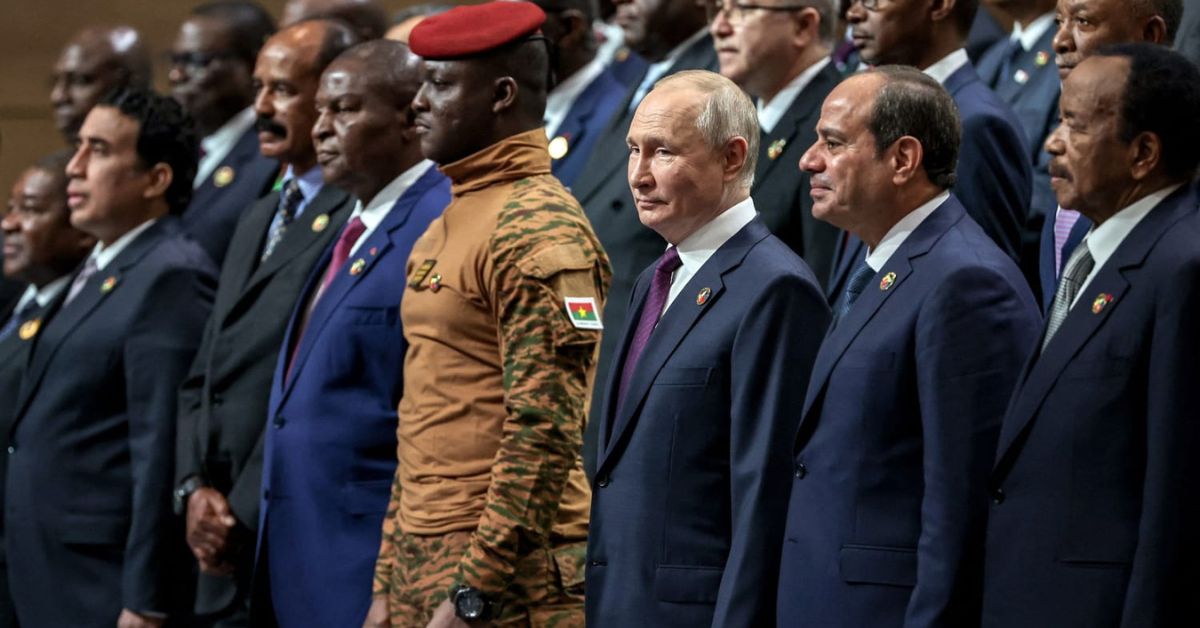
This push comes at a time when Western powers are pulling back particularly the United States, whose African Growth and Opportunity Act (AGOA) faces uncertainty. Moscow sees this as a chance to step into the economic vacuum left behind.
But Russia’s play is not just about replacing the West. It’s about redefining how Africa trades, moving away from being a source of raw materials to becoming a partner in value-added industries. Imagine African countries not just exporting crude oil or cocoa, but partnering with Russian investors to produce finished goods, technology equipment, or even vehicles for local and regional markets.
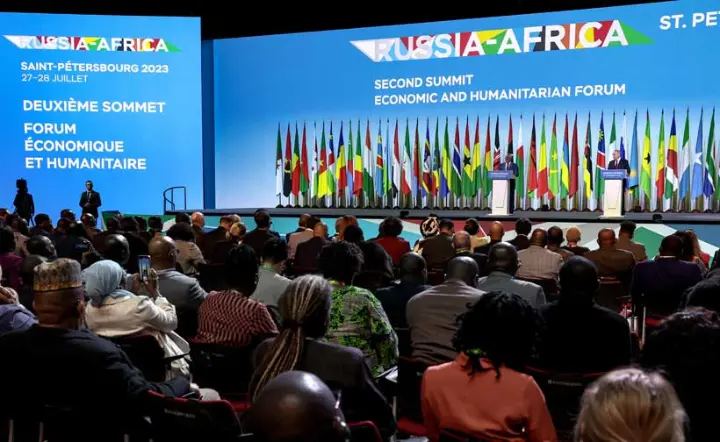
For African leaders, this could mean new opportunities and leverage. By welcoming multiple global partners China, the Gulf states, Turkey, and now Russia - African nations are diversifying their diplomatic and economic relationships. That’s smart geopolitics.
However, questions remain. Can Russia deliver on its promises? Will African economies truly benefit from these deals, or will this be another wave of extractive diplomacy masked as partnership?
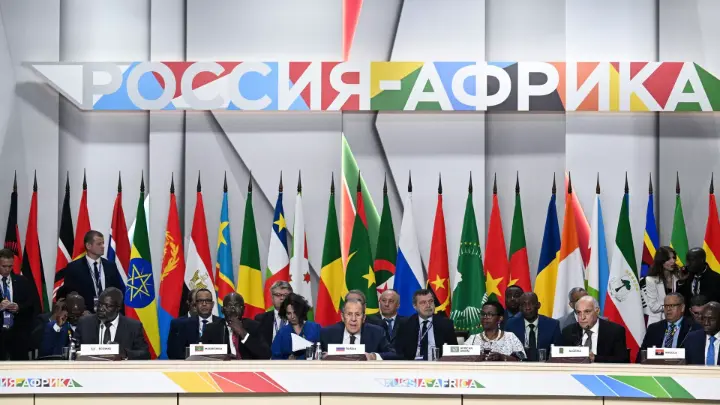
What’s clear is that the continent’s diplomatic map is being redrawn, with trade at the heart of it. For Africa’s next generation of policymakers, this is more than economics- it’s strategy.
Africa’s global partnerships are shifting fast. As Russia deepens its presence through trade and technology, the continent has a chance to negotiate better deals, protect its resources, and build industries that serve Africans first.