The European Union’s Carbon Border Adjustment Mechanism (CBAM) is finally moving from policy to practice and Africa is watching closely. While the EU says this carbon border tax is designed to curb global emissions, many African countries argue it’s another barrier to fair trade.
The idea behind CBAM is simple: any goods imported into the EU will now be taxed based on how much carbon was emitted during their production. The goal? To ensure that European industries, which already pay high carbon taxes, aren’t undercut by cheaper imports from countries with looser climate rules.
But for developing economies especially those in Africa the move feels like another hurdle. Countries like South Africa, Egypt, and Morocco, which export steel, cement, and fertilizers to Europe, fear that CBAM will make their products less competitive. As Reuters reports, Pretoria has already criticized the mechanism, saying it “unfairly penalizes developing economies” that are still struggling to industrialize sustainably.
Africa contributes less than 4% of global carbon emissions, yet it could pay one of the highest prices under this new policy. The EU argues that it will provide funding and technical support to help developing nations transition to greener industries. But experts question whether these promises will translate into real impact or just another layer of bureaucracy.
“CBAM could discourage African exports and slow industrial growth,” noted an analysis by Nilepost News. “Europe is protecting its markets while shifting the climate burden onto poorer nations.”
Still, there are opportunities in the storm. Some economists believe the levy could push African industries to invest in clean technologies, positioning the continent for a greener future. Renewable energy investments are rising across Kenya, Rwanda, and South Africa signaling that Africa wants to be part of the climate solution, not a victim of it.
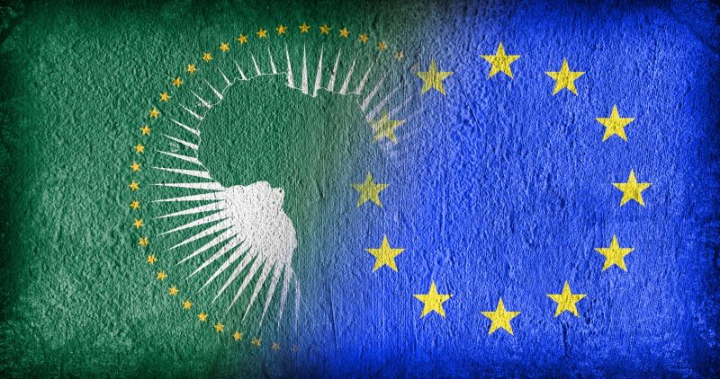
As the world prepares for COP29, this issue will likely dominate the agenda. African diplomats are expected to demand fairer climate financing and a review of policies like CBAM that seem to punish rather than empower.
The real question remains: can Europe balance climate ambition with economic justice? Or will Africa, once again, bear the cost of global climate decisions made elsewhere?