Africa just took a bold step towards financial independence. The Common Market for Eastern and Southern Africa (COMESA) has launched a digital cross-border payments platform that allows member states to trade directly in their local currencies no U.S. dollar needed.
According to Reuters, the new system covers countries like Kenya, Malawi, Zambia, Uganda, and Rwanda, among others. It aims to make it easier and cheaper for businesses especially small and medium enterprises (SMEs) to send and receive payments across borders.
What this means for Africa
For decades, African traders and governments have relied on the U.S. dollar for regional trade. Every transaction required currency conversion, which was slow, expensive, and exposed countries to foreign exchange risks.
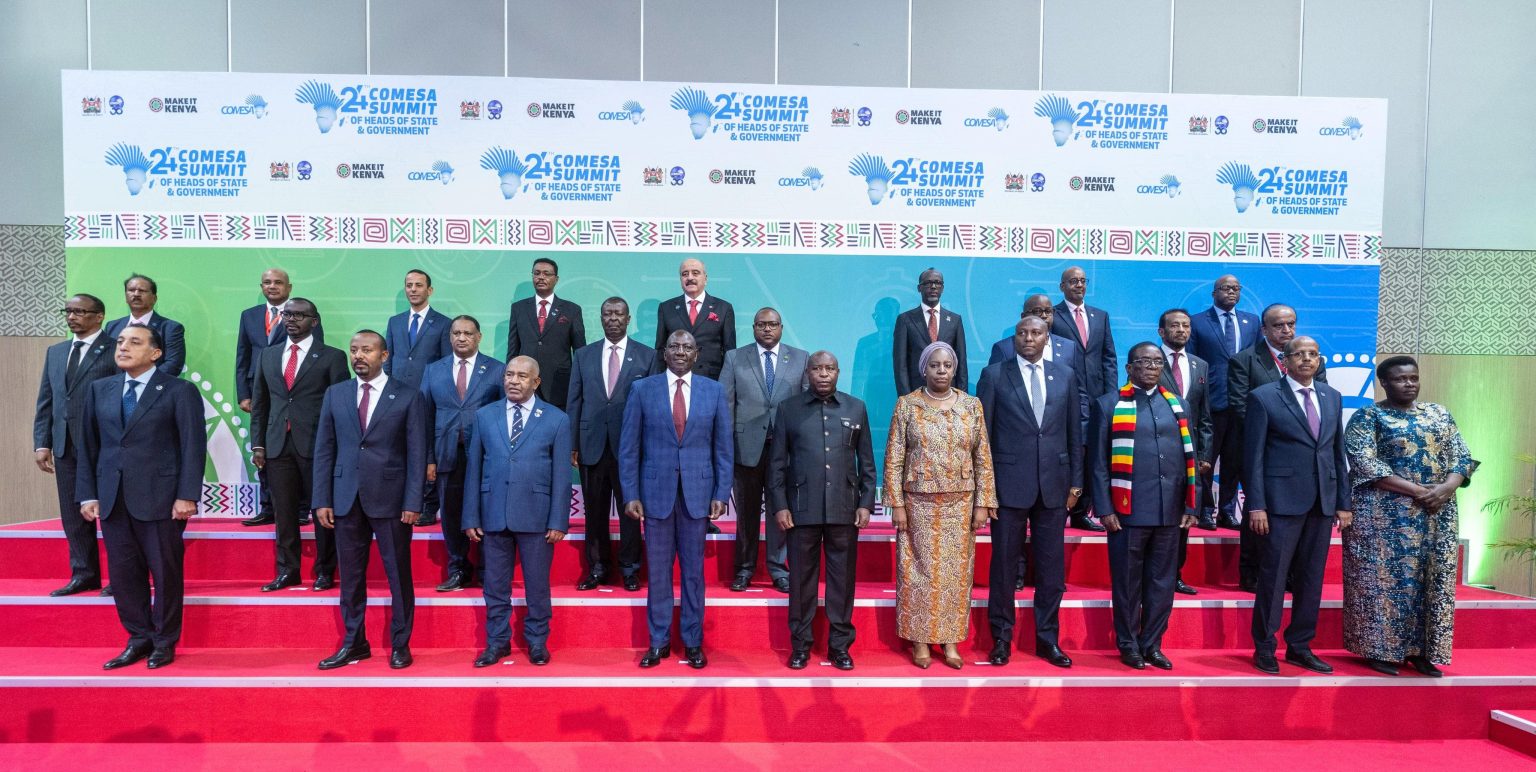
Now, COMESA’s new platform could change that story. By enabling payments in local currencies, it reduces dependency on global currencies, cuts transaction costs, and strengthens regional trade ties.
It’s also a bold statement: Africa is choosing to trade in its own voices.
This digital shift aligns with the broader continental goal of the African Continental Free Trade Area (AfCFTA) to create one united market where goods, services, and capital move freely. COMESA’s innovation could set the tone for how digital finance fuels African integration in the coming years.
The bigger picture: De-Dollarization and diplomacy
Beyond economics, this move has diplomatic weight.
By reducing reliance on the dollar, COMESA countries are rebalancing global power dynamics. It’s a quiet but powerful form of economic diplomacy showing that Africa can lead, innovate, and set its own financial agenda.
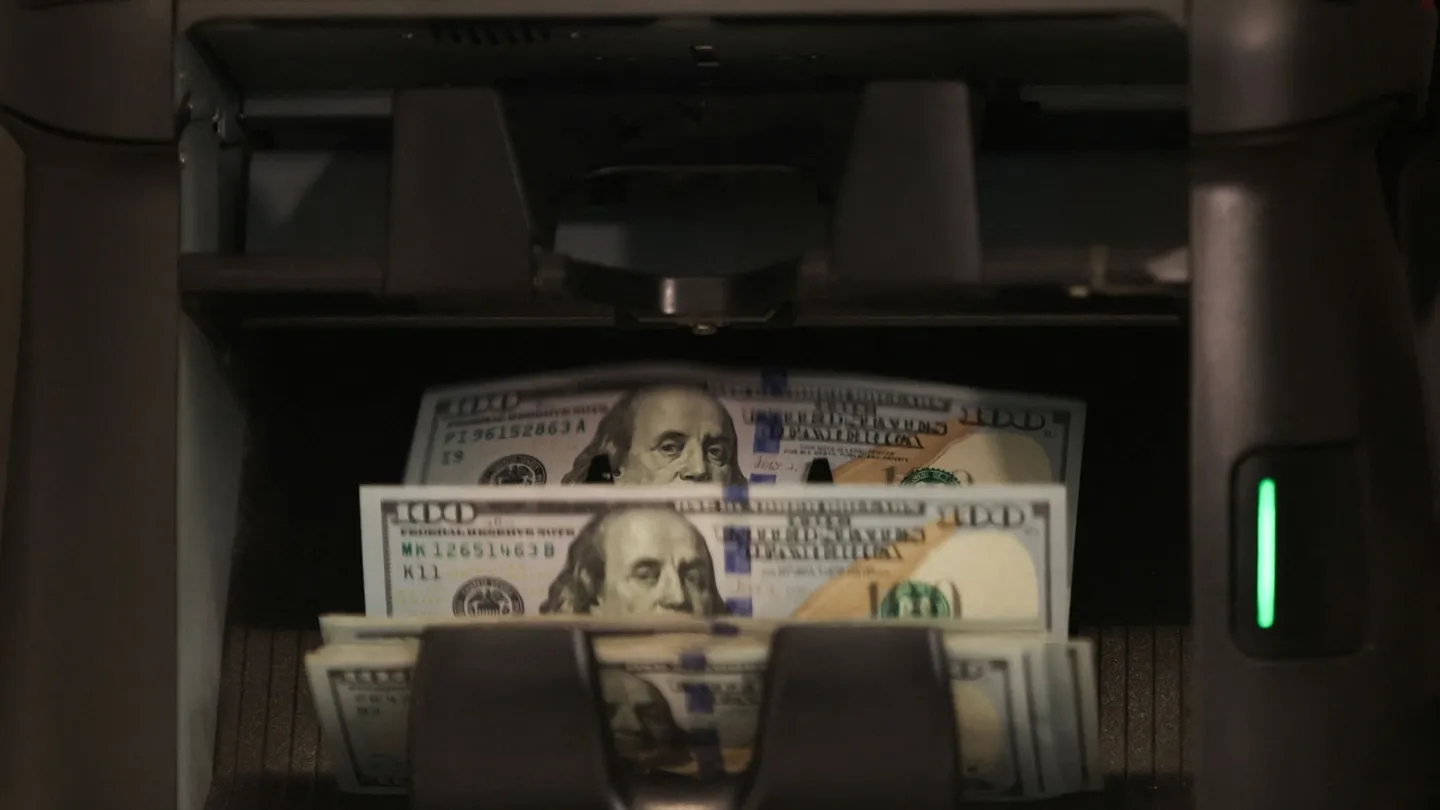
Global institutions like the IMF and World Bank will be watching closely. If the system works, other African blocs such as ECOWAS or SADC might adopt similar models. That could eventually lead to an Africa-wide digital payment network and perhaps, one day, a continental currency.
Why It Matters
For the young entrepreneur in Nairobi exporting to Lusaka, or the farmer in Malawi selling produce in Rwanda, this is not just about policy- it’s about real change.
Faster payments. Lower costs. More control.
COMESA’s step may look technical on the surface, but beneath it lies a story of sovereignty, innovation, and unity Africa standing tall in a global financial system long shaped elsewhere.
Sources: