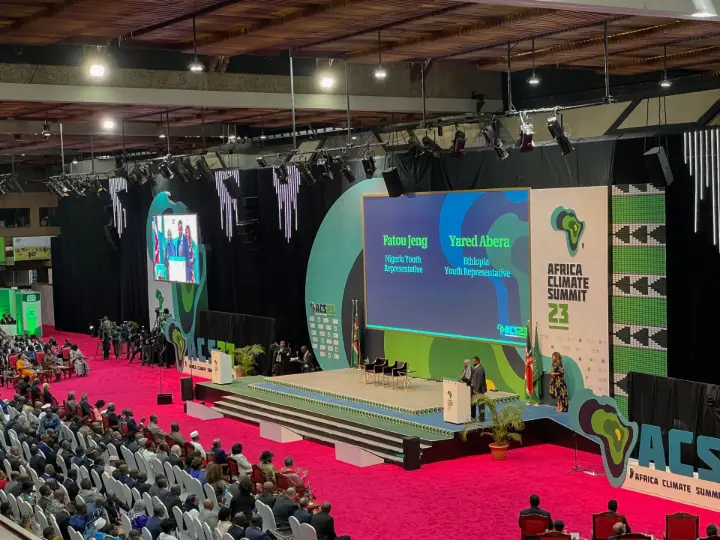
Africa is raising its diplomatic profile on the global climate stage. The recently concluded Africa Climate Summit + Climate Week 2025 in Addis Ababa offered more than speeches and photo opportunities. It delivered the Ababa Declaration, a bold call for fair and predictable climate finance, prioritisation of adaptation, and recognition of Africa not as a victim, but as a solutions-provider.
At the heart of the declaration is a demand for wealthy nations to honour climate pledges that have too often remained just that pledges. For years, African leaders have highlighted the mismatch between the billions promised and the far smaller amounts that actually flow to vulnerable communities. This time, the continent is positioning itself not only as a recipient of aid but as a partner bringing innovations in renewable energy, carbon markets, and sustainable land use.
The COP-32 Bids: Ethiopia vs Nigeria
Adding weight to this diplomatic momentum, Ethiopia announced its bid to host COP-32 in 2027, joining Nigeria, which has already put forward its candidacy. The symbolism of an African COP would be powerful. Hosting such a summit brings prestige, economic benefits, and international visibility. It means hotel rooms filled, infrastructure expanded, and local industries thriving. More importantly, it positions the host as a climate leader, giving them leverage in shaping negotiations and framing Africa’s priorities on the global agenda.
The rivalry between Ethiopia and Nigeria also reflects Africa’s broader ambition to ensure climate diplomacy is not dictated solely by the Global North. Both countries are influential regionally, Nigeria as Africa’s largest economy and Ethiopia as a hub of continental diplomacy. Whoever wins the bid, the outcome could mark a turning point in Africa’s role as an agenda-setter, not just an agenda-taker.
Finance: The missing piece
Despite the enthusiasm, the real question remains: will financial pledges finally match actual flows? According to climate policy analysts at E3G, current commitments fall far short of what is needed to support Africa’s adaptation efforts, from drought-resilient agriculture to flood defences. The gap leaves millions exposed to worsening climate shocks.
Foreign partners have often been quick to sign declarations but slow to wire the money. Bridging this gap is where diplomacy must translate into tangible results. Africa’s leaders will need to balance optimism with pressure demanding accountability while continuing to showcase homegrown solutions.
A Defining Decade
If Africa succeeds in steering the climate conversation toward fairness and delivery, the next decade could redefine its place in global diplomacy. Hosting COP-32 in Addis Ababa or Abuja would be more than a ceremonial win it would signal that Africa is no longer on the sidelines but at the centre of shaping climate solutions.
For now, the Ababa Declaration sets the tone. The challenge is making sure it leads to real action, not just another set of promises lost in translation.
Sources: